What Kitchen Essentials Do I Need First?
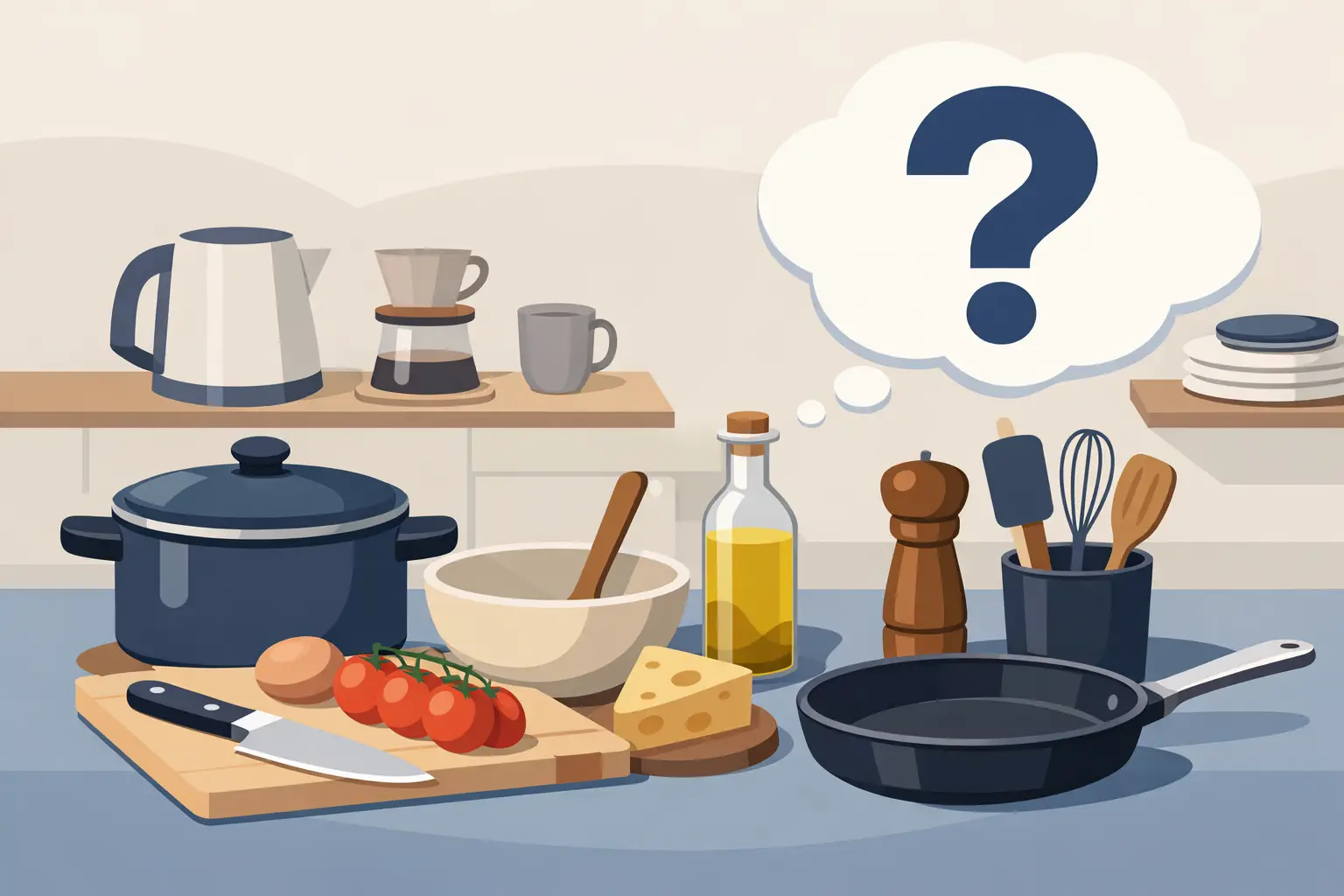
A kitchen gets expensive fast when you buy the wrong things first. One trendy gadget here, one oversized pan set there, and suddenly the drawers are full while dinner is still hard to make. If you’re asking what kitchen essentials do I need, the best answer is not everything – it’s the right foundation.
A well-set kitchen should feel polished, efficient, and easy to live with. That matters whether you’re stocking your first apartment, upgrading a family kitchen, or replacing tired basics with pieces that look better and perform better. The goal is simple: choose essentials that earn their place every week, not products that collect dust after one enthusiastic recipe.
What kitchen essentials do I need to cook every day?
Start with the items that handle most real-life meals. Not holiday entertaining, not ambitious baking weekends – just breakfast, lunch, dinner, and the kind of quick prep that fills most calendars.
A chef’s knife is the single most useful tool in the room. It covers chopping vegetables, slicing proteins, mincing herbs, and handling the bulk of prep work. You do not need a massive knife block to feel well equipped. One quality chef’s knife, paired with a small paring knife for detail work and a serrated knife for bread and tomatoes, is a smarter and more refined setup than a dozen mediocre blades.
Cutting boards matter more than many people expect. A sturdy larger board gives you space to work comfortably, while a second board can help separate produce from raw meat. Wood looks elevated and feels substantial, but high-quality plastic can be easier for some households to sanitize and maintain. It depends on how often you cook and how much upkeep you want.
Mixing bowls are another everyday essential that quietly do everything. They hold chopped ingredients, whisk marinades, toss salads, and store leftovers while you’re cooking. Nesting bowls save cabinet space and keep your kitchen looking organized rather than overfilled.
Measuring cups and spoons are worth keeping on hand even if you cook casually. They are essential for baking, but they also help with consistency in dressings, sauces, grains, and coffee routines. The same goes for a colander, which earns its keep with pasta, washed fruit, canned beans, and rinsed greens.
The cookware that actually earns cabinet space
When people overbuy in the kitchen, cookware is often where it happens. Large sets can look like a great value, but many pieces rarely get used. A more curated collection performs better and keeps storage under control.
A nonstick skillet is ideal for eggs, pancakes, and delicate foods that benefit from easy release. A stainless steel or enameled skillet gives you more versatility for searing, browning, and building flavor. If you cook often, having both is practical. If you’re tight on space or budget, begin with one skillet that suits your usual meals and expand later.
A medium saucepan is another core piece. It handles rice, grains, soups, oatmeal, reheated leftovers, and simple sauces. Pair that with a larger pot for pasta, broth, or batch cooking, and you’ve covered most stovetop needs without filling every shelf.
A sheet pan belongs in nearly every kitchen. It makes roasting vegetables, baking salmon, crisping frozen foods, and even reheating leftovers easier. It is one of the most flexible pieces you can own, especially for busy households that want less fuss and fewer dishes.
A baking dish or casserole dish is worth adding if you make lasagna, baked pasta, roasted chicken, or desserts. If you never bake or host, this can wait. That’s the larger rule for cookware: buy for the meals you actually make, not the version of yourself you imagine cooking like someday.
What kitchen essentials do I need for prep and serving?
Prep tools should make your kitchen smoother, not more crowded. The best ones solve repeat problems and feel intuitive to use.
A good spatula, wooden spoon, tongs, whisk, and ladle cover most cooking tasks. Add a slotted spoon if you cook pasta or poached foods often. These tools work across cookware types and support everything from quick weeknight meals to more polished hosting moments.
A vegetable peeler and box grater are small but useful upgrades. They handle far more than their names suggest, from shaving cheese and zesting citrus to prepping carrots, potatoes, garlic, and ginger. A can opener is basic, but one that works smoothly is one of those small luxuries that improves daily use.
For serving, you don’t need a packed cabinet of specialty pieces. Plates, bowls, drinking glasses, and a reliable flatware set are the obvious basics, but the more stylish move is choosing pieces that transition easily from casual meals to company. Neutral, durable dinnerware tends to be the most versatile, especially if you like to layer in seasonal accents or table décor.
Serving bowls and platters are helpful if you host even occasionally, but they don’t need to come all at once. Start with one or two multi-use pieces that look elevated enough for guests and practical enough for regular dinners.
Storage essentials that keep the kitchen functional
A kitchen can have beautiful cookware and still feel chaotic if storage is an afterthought. Good storage is not glamorous, but it creates the calm, high-function look most people want.
Food storage containers are essential from day one. They make leftovers easier to manage, support meal prep, reduce waste, and keep the refrigerator from turning into a clutter zone. Clear containers make it easier to see what you have, while stackable designs help maximize shelf space.
A few pantry containers can also make a visible difference. Flour, sugar, pasta, cereal, coffee, and snacks look cleaner and stay easier to access when they’re decanted into matching or coordinated storage. This is especially valuable in smaller kitchens where visual clutter builds quickly.
Drawer organizers, utensil trays, and spice storage solutions are often overlooked until the kitchen starts feeling frustrating. If you spend time digging for measuring spoons or buying duplicate spices because you can’t see what you own, better organization is not just aesthetic – it’s practical.
Trash and recycling solutions also count as essentials. A compact, well-designed bin setup can make the whole room feel more intentional and more pleasant to use.
Small appliances: worth it or not?
This is where personal habits matter most. Small appliances can save time and elevate your routine, but only if they match how you actually live.
A toaster, coffee maker, blender, or electric kettle may feel essential in one home and unnecessary in another. If smoothies are part of your weekday breakfast, a blender is a smart purchase. If you mostly make stovetop meals and drink tea daily, an electric kettle may serve you better than a specialty appliance you’ll rarely touch.
The strongest rule here is to avoid buying appliances for occasional fantasies. Bread makers, ice cream machines, and oversized specialty gadgets can be wonderful for the right household, but they are not foundational. Start with appliances that solve a frequent need, fit your storage space, and support your routine without taking over the counter.
How to build a kitchen without overspending
The most stylish kitchens are not always the most expensive. They are the most intentional.
If you’re starting from scratch, buy in layers. Begin with the daily-use core: knives, cutting boards, a few utensils, a skillet, a saucepan, a pot, plates, glasses, and storage containers. Then add based on friction points. If chopping feels messy, upgrade your board. If you roast constantly, get a better sheet pan. If the counters always look cluttered, invest in elevated storage.
It also helps to choose quality where wear is highest. Knives, pans, and everyday utensils tend to justify a better build because they take constant use. Decorative extras, novelty bakeware, and highly specialized pieces can be more budget-flexible.
There is also a space trade-off to consider. Bigger collections can feel abundant at first, but cramped cabinets quickly make a kitchen less enjoyable. A curated setup often feels more luxurious because every piece has a purpose and a place. For shoppers who want that balance of function, style, and smart value, Arvenas reflects the modern appeal of buying beautifully useful pieces without turning the process into a hunt across ten different stores.
The essentials list that makes sense for most homes
If you want a simple benchmark, most kitchens are in strong shape with a chef’s knife, paring knife, serrated knife, two cutting boards, mixing bowls, measuring tools, a colander, a skillet, saucepan, stock pot, sheet pan, baking dish, basic utensils, dinnerware, glasses, flatware, and food storage containers. After that, your real essentials depend on your habits.
A baker will need more bakeware. A host will want serving pieces. A family with kids may need more durable dinnerware and larger cookware. A smaller household may benefit more from compact, multi-use tools than from full sets. That’s why the smartest kitchen is never just well stocked – it’s well edited.
The best kitchen essentials make cooking easier, storage calmer, and everyday routines feel a little more elevated. Start with what supports real life, choose pieces that look as good as they work, and let your kitchen grow around the way you actually use it.











Leave a comment