Seasonal Home Decorating Ideas That Last

The best seasonal home decorating ideas are not the ones that ask you to store four completely different homes in the attic. They are the ones that make your space feel current, polished, and welcoming with a few smart changes in color, texture, scent, and light. If your goal is a home that feels elevated year-round without becoming cluttered or overly themed, the real trick is decorating in layers.
A beautiful seasonal update should feel intentional, not temporary. That means starting with a strong base – furniture, rugs, neutral textiles, and everyday décor that can carry the room in any month. Then, as the seasons shift, you swap the details that create mood. Think pillow covers instead of all-new pillows, branches instead of oversized plastic décor, warmer lighting instead of more stuff. This approach looks more refined, costs less over time, and makes your home easier to keep organized.
How to Use Seasonal Home Decorating Ideas Without Overdecorating
A common mistake is treating every season like a full redesign. In reality, most rooms only need three or four changes to feel refreshed. Your entryway, living room, dining table, and kitchen counters usually do the heaviest visual work. If those areas reflect the season, the whole home starts to feel updated.
Start with the visual anchors. Textiles are often the fastest win because they add color and texture without taking up extra space. In spring, lighter linen-look throws and soft botanical tones bring freshness. In summer, crisp whites, woven accents, and breezy fabrics feel clean and relaxed. Fall naturally welcomes richer textures like boucle, knits, velvet, and wood tones. Winter calls for layered softness, candlelight, metallic touches, and deeper contrast.
The trade-off is balance. If every surface gets decorated, even expensive pieces can look busy. If you keep the larger items clean and the seasonal accents edited, the room feels more luxurious. That is usually the better choice for anyone who wants their home to look curated rather than crowded.
Build a Foundation That Works All Year
Seasonal decorating gets easier when your permanent pieces are versatile. A neutral sofa, a timeless area rug, quality curtains, and simple vases or trays give you room to shift the mood without fighting the room itself. This is especially helpful for apartments and smaller homes, where storage is limited and oversized holiday bins quickly become a burden.
A practical foundation usually includes warm neutrals, black accents, natural wood, glass, and a few soft metallic finishes. These work across spring florals, summer coastal looks, autumn earth tones, and winter sparkle. You do not need a blank beige room, but you do want enough flexibility that seasonal pieces feel like upgrades, not corrections.
This is also where quality matters. A few well-made basics tend to outlast trend-driven décor and make seasonal changes look more expensive. For shoppers who want a polished home without hunting across ten different stores, this mix of everyday staples and timely accents is where a curated retailer earns its place.
Focus on Swap-Friendly Pieces
If you want decorating to feel easy, prioritize items you can switch in minutes. Pillow covers, table runners, hand towels, wreaths, centerpieces, candle holders, and decorative bowls give you a lot of impact with very little effort. They also store flat or stack easily, which matters more than people think once the season ends.
Large themed signs and bulky novelty items are where many homes start to feel less refined. They have their audience, but if your taste leans elevated, choose accents that suggest the season rather than announce it. A ceramic pumpkin in matte ivory says more than a loud orange display. A branch arrangement in a sculptural vase often feels more sophisticated than a table full of mini props.
Seasonal Home Decorating Ideas by Mood, Not Just by Holiday
One of the easiest ways to decorate well all year is to think beyond specific holidays. Mood lasts longer than a moment on the calendar. It also gives you more value from each item.
Spring is about lightness and renewal. Open up visual space with pale greens, soft creams, clear glass, and fresh stems. Even replacing heavy textiles with lighter ones can make a room feel cleaner. In bathrooms and kitchens, small changes like brighter towels, a sleek soap dispenser, or a floral-inspired tray can shift the space quickly.
Summer works best when it feels airy and unfussy. Natural fibers, striped details, white ceramics, and touches of blue or sand create an easy seasonal look without becoming too literal. This is a good time to simplify shelves, lighten bedding, and bring in woven baskets or indoor-outdoor accents that feel practical as well as stylish.
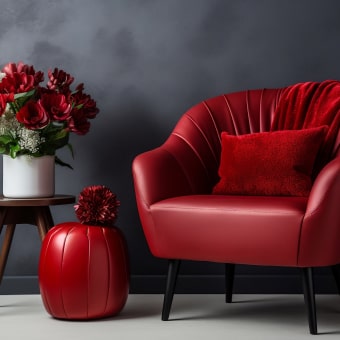
Fall is where texture really earns attention. Warm browns, caramel, olive, rust, amber, and soft black can instantly deepen a room. Layer throws over seating, bring wood and ceramic pieces to the front, and add low, ambient lighting. Fall decorating often goes wrong when everything turns orange overnight. A more restrained palette usually feels richer and more current.
Winter should feel cozy, not heavy. Faux fur, knit textures, dark green, cream, brushed gold, and soft candlelight create warmth without making the room feel closed in. If you decorate for the holidays, choose pieces that can stay out through the rest of the season. Garlands, metallic candle holders, elegant stockings, and subtle evergreen accents stretch much further than novelty décor that feels outdated by December 26.
Room-by-Room Ideas That Make the Biggest Difference
The entryway sets the tone before anyone reaches the living room. A seasonal wreath, a durable doormat, a small bench pillow, or a styled console table can do more than a full box of scattered accents. If space is tight, a single vase with branches or stems is often enough.
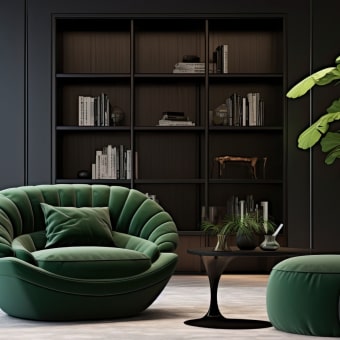
In the living room, focus on comfort and visual layering. Throws, pillow covers, candles, and a coffee table tray can completely change the feel of the space. If you have open shelving, resist filling every inch. Leave breathing room so the pieces you do display feel more intentional.
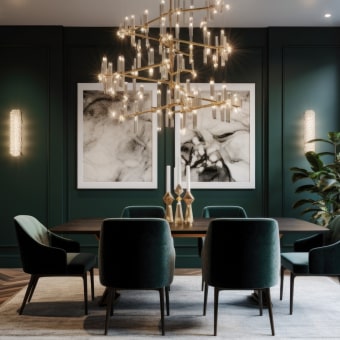
The dining area responds well to restrained updates. A table runner, low centerpiece, cloth napkins, or updated serveware can make everyday meals feel seasonal without turning the table into a display only. That matters for busy households who want the room to stay usable.
Kitchens benefit from practical beauty. Seasonal hand towels, countertop canisters, fruit bowls, and a statement tray add style without interrupting function. Bathrooms, too, can carry the season through better textiles, a fresh scent profile, and elegant accessories rather than overt decorating.
Bedrooms are often overlooked, but they can be the most satisfying room to refresh. Swapping a quilt, adding a throw at the foot of the bed, or changing pillow shams gives the room an instant seasonal identity. It is a smart move if you want the home to feel finished beyond the main entertaining areas.
Make It Look Premium on a Real-World Budget
A polished home does not require replacing everything every quarter. In fact, the most expensive-looking rooms often rely on repetition and restraint. Buy fewer pieces, but choose accents with texture, shape, and finish. A glass hurricane, a velvet pillow cover, or a sculptural vase usually does more for the room than a pile of low-impact filler items.
It also helps to shop with a system. Keep a small collection of season-specific décor in coordinated palettes, so pieces can move from room to room. This avoids the common problem of buying cute items that do not work together. If your home already leans modern, rustic, classic, or glam, seasonal pieces should support that style rather than compete with it.
Retailers like Arvenas appeal here for a reason. When home décor, storage-friendly accents, entertaining pieces, and everyday essentials live in one curated storefront, seasonal decorating becomes less about chasing trends and more about making smart, stylish updates with confidence.
What to Skip if You Want a More Elevated Look
Not every trend deserves space in your home. If an item is highly specific, hard to store, or only works for two weeks, pause before buying it. Seasonal décor should add atmosphere, not create cleanup.
It is also worth skipping anything that blocks function. Centerpieces that interrupt conversation, entryway décor that crowds a walkway, or kitchen accents that take over prep space may look good for a photo, but they rarely feel good to live with. Good decorating always leaves room for real life.
The strongest seasonal home decorating ideas are the ones you can repeat, refine, and actually enjoy. Start with one room, edit before you add, and let each season bring a new layer instead of a complete reset. A home that changes with intention always feels more inviting than one trying too hard to prove the date on the calendar.









Leave a comment