Heated Blanket Safety for Cozy Winter Nights
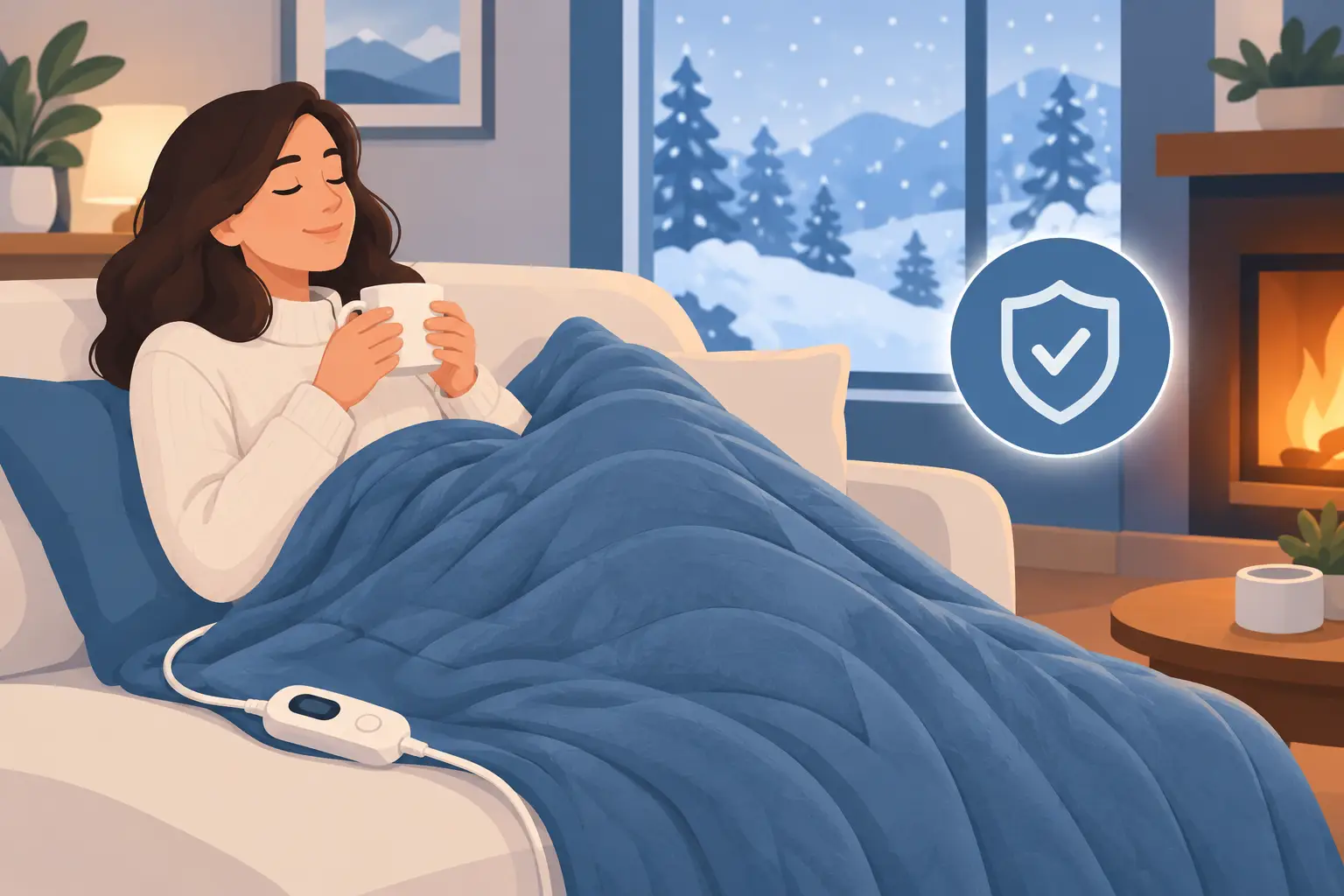
A heated blanket can turn a cold bedroom, drafty reading nook, or early-morning sofa into a more comfortable retreat within minutes. That comfort should never require guesswork. Heated blanket safety comes down to choosing a well-made model, using it exactly as designed, and knowing when a favorite blanket has reached the end of its useful life.
For households that value comfort with a polished, practical edge, an electric blanket is a seasonal essential worth treating with care. The goal is simple: enjoy tailored warmth without creating unnecessary risk for your home, your family, or your pets.
Heated Blanket Safety Begins Before You Plug It In
Start with a blanket that is designed for its intended use. A heated throw is usually made for lounging on top of the body, while an electric blanket may be intended to lie flat on the bed. A heated mattress pad is a different product altogether. Using each piece in its proper place protects the internal wiring and helps the blanket heat evenly.
Read the manufacturer’s instructions before the first use, even if you have owned electric bedding before. Controls, washability, preheat features, automatic shutoff settings, and layering guidance vary by model. The care tag and manual are more useful than general advice when there is a conflict.
Before plugging it in, give the blanket a close visual inspection. Look for frayed fabric, exposed wires, scorch marks, loose connections, cracked controls, or unusual stiff spots in the blanket. If it has a detachable cord, make sure it is fully connected and sits securely without bending or pulling. A blanket that looks damaged, smells hot, heats unevenly, or trips an outlet should be retired rather than repaired at home.
Choose a wall outlet in good condition. Avoid extension cords, power strips, damaged outlets, and overloaded circuits whenever possible. The controller and plug should remain uncovered and easy to reach, not tucked beneath a mattress, rug, or pile of bedding.
Set Up Your Blanket for Even, Comfortable Heat
The safest electric blanket is one that can lie smoothly and breathe. Spread it flat rather than folding, bunching, or tucking it tightly around the mattress. Folds can concentrate heat in one area and place stress on interior wires. This is particularly relevant on adjustable beds, recliners, and sofas with moving sections, where cords and heating elements may be pinched.
Keep heavy objects off the blanket. A stacked pile of books, a weighted item, or a tightly compressed cushion can trap heat. It is also wise to keep the controller outside the covers, where it is less likely to overheat and easier to adjust.
Layering deserves a little judgment. A light top sheet or standard bedding may be fine if the product instructions allow it, but excessively thick comforters, plastic-backed covers, or tightly packed layers can hold in more heat than intended. If you want the refined, hotel-bed feeling of generous layers, use the blanket’s lower setting and let the room warm gradually.
For a bed, preheating can be a lovely touch before you get in. Then lower the temperature or use an automatic shutoff timer for sleeping, according to the product’s directions. A blanket does not need to run at its highest setting all night to make the room feel inviting.
Choose Lower Settings First
More heat is not always better heat. Begin on low or medium, then adjust only if needed. High settings are best used briefly for preheating or for especially cold moments, not as the default overnight choice.
A lower setting reduces the chance of overheating, helps preserve the blanket over time, and can make sleep more comfortable. If you wake up sweaty, flushed, or uncomfortable, turn the blanket down or off rather than simply pushing it aside and leaving it running.
Who Should Use Extra Caution?
Heated blankets are not a one-size-fits-all comfort solution. Babies and very young children should not use electric blankets, because they may not be able to move away from excess heat or communicate discomfort. Older adults, people with limited mobility, and anyone with reduced sensitivity to heat or pain should use added care as well.
People with diabetes, circulation concerns, nerve damage, certain skin conditions, or medical devices may need personalized guidance from a healthcare professional. The concern is not that every person in these groups must avoid electric bedding, but that reduced sensation or specific health needs can make overheating harder to recognize.
Pets are another reason to keep an eye on the setup. Many pets love a warm throw, but claws, chewing, accidents, and curled-up pressure can damage an electric blanket. Never leave a pet alone with a plugged-in heated blanket, and choose a purpose-made pet warming product when warmth is needed for an animal.
Avoid using a heated blanket when it is wet or damp. That includes after a spill, after washing before it is completely dry, or in a humid outdoor setting. Electric warmth belongs in a dry indoor space.
Everyday Habits That Protect Your Home
A few simple routines make electric bedding feel much more dependable. Unplug the blanket when it is not in use, especially if you are leaving home or putting it away for the season. Automatic shutoff is a valuable feature, but it is not a reason to ignore basic precautions.
Do not smoke in bed or near a heated throw. Keep candles, space heaters, and other heat sources away from the blanket. Also resist the temptation to cover a heating pad with an electric blanket or combine multiple heated products in the same spot. Warmth should feel inviting, never improvised.
Use the control only with the blanket it came with. Controllers and cords may look similar across products, but they are engineered as a matched system. Mixing components can affect heat regulation and may void product guidance.
If a blanket suddenly takes longer to warm up, develops hot and cold zones, makes a buzzing sound, or gives off an odor, unplug it immediately. Do not keep testing it to see whether the issue returns. Replacement is the more elegant choice when a comfort item no longer feels trustworthy.
Cleaning and Storage Without Damaging the Wiring
A heated blanket stays more inviting when it is properly cared for, but cleaning should always follow its label. Many newer models can be machine washed after the cord and controller are detached, while others require gentler handling. Never assume a blanket is washable just because another electric throw was.
When machine washing is permitted, use the recommended cycle, water temperature, and detergent. Skip bleach, harsh stain treatments, and excessive wringing. Make certain every connector is dry before reconnecting the controller. Moisture around electrical connections is not a detail to rush.
For seasonal storage, let the blanket cool completely, unplug it, and fold it loosely. Do not wind the cord tightly around the controller, and do not place heavy storage bins on top of the blanket. Store it in a clean, dry area away from sharp edges, pests, and extreme heat.
A quick inspection when you bring it out each fall is a smart ritual. It takes only a moment and sets the tone for a more relaxed season of movie nights, guest-room comfort, and slow weekend mornings.
When It Is Time to Replace a Heated Blanket
Even premium comfort pieces have a lifespan. Replace an electric blanket if it has visible damage, inconsistent heating, a malfunctioning controller, repeated shutoffs, or any sign of scorching. If you cannot verify its age or find clear care instructions, replacement may be the wiser move, especially for an older model without modern safety features.
When shopping for a new option, prioritize clear instructions, an automatic shutoff function, a comfortable controller, and fabric that feels as inviting as it looks. The best choice balances warmth, craftsmanship, and ease of care rather than chasing the highest possible temperature.
There is a particular luxury in a home that feels thoughtfully comfortable on a cold night. Set your blanket up with care, keep the heat gentle, and let the cozy details do what they do best: make everyday rest feel a little more considered.













Leave a comment