A Smart Guide to Premium Home Decor
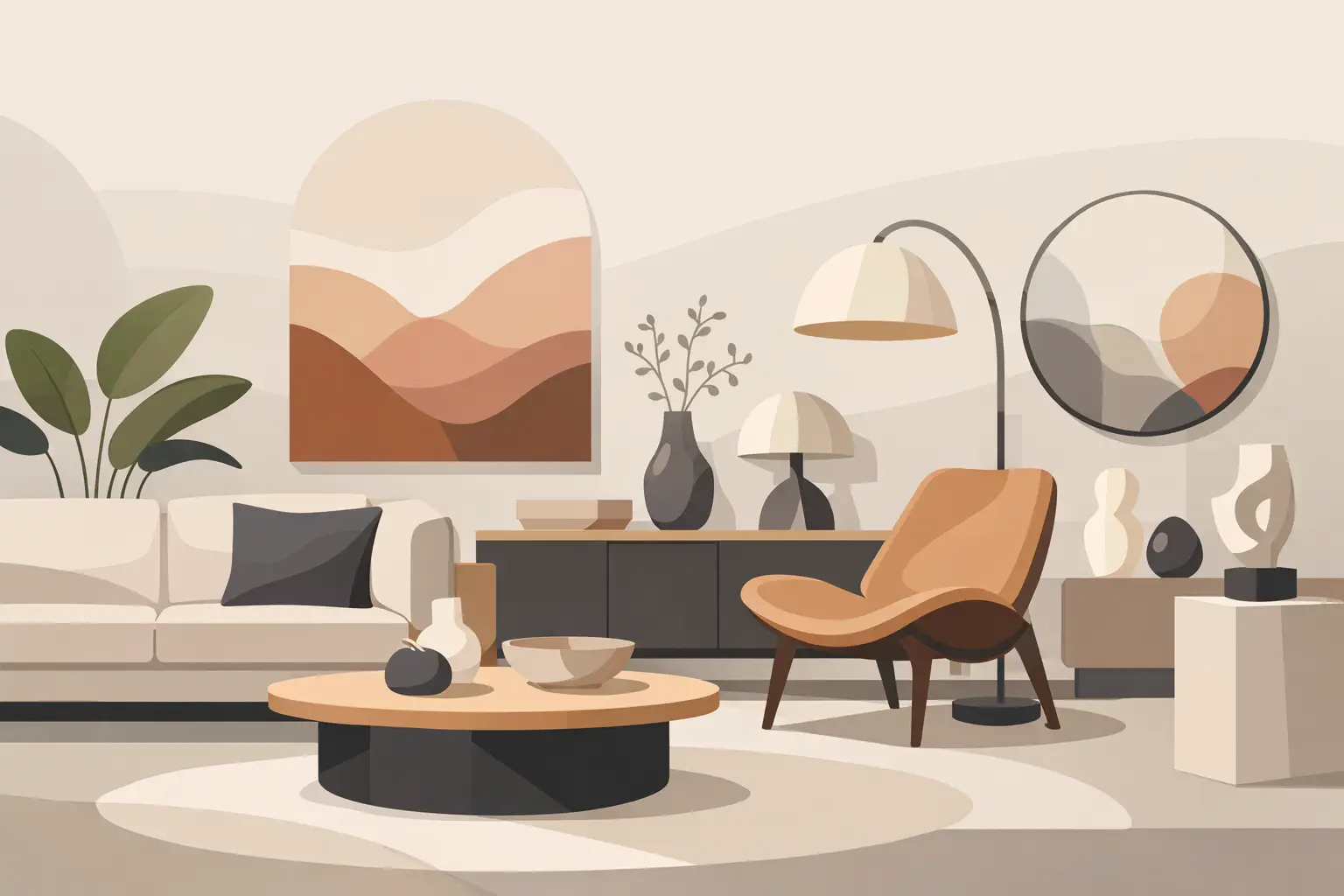
A room rarely feels premium because of one expensive piece. It feels premium when everything works together – the scale, the finish, the texture, the lighting, and the restraint. That is the real value of a guide to premium home decor: not chasing a showroom look, but building a home that feels considered, comfortable, and distinctly elevated.
For most shoppers, the challenge is not taste. It is editing. With endless choices online, it is easy to buy attractive items that do not belong in the same visual story. Premium decor is less about spending at the highest tier and more about choosing pieces with presence, quality, and purpose. When you approach it that way, the result feels refined rather than overdone.
What premium home decor actually looks like
Premium home decor is often mistaken for ornate styling or designer labels. In practice, it is much simpler. It combines better materials, cleaner proportions, and stronger visual cohesion. A space can feel luxurious with a sculptural table lamp, a textured throw, a substantial mirror, and beautifully finished hardware, even if every item was not sourced from the same high-price retailer.
The difference usually shows up in details. Think ceramic instead of thin plastic, weighty glass instead of cloudy acrylic, natural-looking textiles instead of shiny synthetics, and finishes that add depth rather than glare. Premium spaces also avoid visual noise. They give each piece room to matter.
That is why a well-decorated apartment can feel more elevated than a larger home filled with trend purchases. Quality reads quickly. So does clutter.
A guide to premium home decor starts with the room itself
Before shopping, study the room you want to improve. Look at the fixed elements first: flooring, wall color, windows, cabinetry, tile, and the amount of natural light. Premium decor should complement those foundations, not compete with them.
If your room has warm wood tones, very cool metallic finishes may feel disconnected unless you balance them carefully. If the space is small, oversized furniture and heavy contrast can make it feel crowded rather than dramatic. If the room gets little daylight, dark decor can look rich, but only if layered with enough texture and light to keep it from falling flat.
This is where many people overspend. They buy statement pieces before deciding what the room needs most. Sometimes the answer is not another decorative object. It may be better lighting, a larger rug, softer window treatments, or storage that reduces visible clutter.
Invest where the eye lands first
Not every item in a room needs to be premium. The smartest approach is selective elevation. Spend your visual budget where attention naturally goes first.
In a living room, that is often the rug, coffee table, lighting, and accent pillows. In a bedroom, it is the bed frame, bedding, bedside lighting, and a bench or mirror that completes the layout. In a bathroom, premium style often comes through fixtures, trays, towel presentation, and coordinated accessories rather than sheer quantity.
The goal is to create anchor points. Once those are in place, supporting decor can be more modest as long as it stays consistent in tone and finish. This is how polished rooms are built with discipline instead of excess.
Materials matter more than trends
If there is one rule worth keeping from any guide to premium home decor, it is this: materials outlast trends. Shapes and colors change every season, but a room with believable texture and solid finishes almost always feels more expensive.
Wood, stone-inspired surfaces, ceramic, linen-look fabrics, boucle, cotton, glass, and brushed metal all help create depth. Even when a piece is affordable, the right material cue can give it a stronger presence. By contrast, overly glossy finishes, flimsy construction, and imitation textures tend to lower the look of a room fast.
That does not mean every home needs marble and solid oak. It means choosing decor that appears intentional and tactile. A matte vase, a structured woven basket, or a substantial tray can do more for a console table than several novelty accents.
Build a palette that feels calm, not flat
Premium interiors are often built on controlled color palettes. That does not mean beige everything. It means limiting the number of competing tones so the room feels edited.
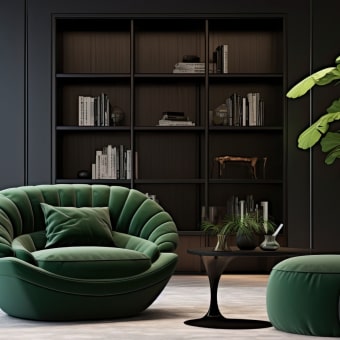
Start with a base of two or three core shades. From there, add variation through texture, pattern, and material. A room in cream, taupe, black, and walnut can feel far richer than one with six accent colors fighting for attention. The same goes for a moody palette – charcoal, olive, brass, and warm wood can feel dramatic and high-end when the tones relate to one another.
If you love color, use it with confidence, but give it structure. One saturated accent chair or a set of deep blue vases can feel premium. Five unrelated colorful accessories usually feel impulsive. Restraint gives statement pieces their power.
Layering is what makes a room feel finished
A premium room is rarely built from furniture alone. It becomes memorable through layers. Lighting softens corners. Textiles add warmth. Decorative objects bring shape. Mirrors open up space and bounce light. Scent, though often overlooked, can make the home feel complete in a way visual styling alone cannot.
This layering works best when the pieces vary in height, finish, and texture. A side table with a lamp, a small stack of books, and one sculptural object will usually look more elevated than a table crowded with tiny accessories. The same principle applies to shelves. Leave negative space. Let materials and forms breathe.
There is a trade-off here. Too little layering can make a room feel unfinished. Too much can make it feel staged and hard to live in. Premium decor should still support everyday comfort. A beautiful throw should be soft enough to use. A decorative tray should help organize. Style earns its place when it also improves how the room functions.
Lighting changes everything
Few upgrades create a high-end effect faster than better lighting. Overhead lighting alone tends to flatten a room. Premium spaces use multiple light sources at different levels – table lamps, floor lamps, sconces, and warm accent lighting.
Light also affects color and material perception. A brushed gold finish can look elegant under warm light and harsh under cool light. Textured fabrics become richer when illuminated from the side instead of directly above. If your decor feels underwhelming, the issue may not be the decor at all.
For shoppers looking for immediate impact, lighting is one of the best categories to prioritize. It offers both style and function, and it can make even simple furnishings feel more considered.
Premium does not mean fragile or impractical
For real homes, beauty has to live alongside pets, kids, guests, and daily routines. That is especially true for shoppers furnishing multiple rooms at once. The best premium decor choices respect that reality.
Choose pieces that can hold up to your life. Washable textiles, durable finishes, easy-clean surfaces, and storage-friendly accents are not compromises. They are often the smarter luxury. A beautiful entryway tray that catches keys, a decorative basket that hides pet toys, or elevated kitchen accessories that stay on display can all add polish without creating maintenance fatigue.
This is where a curated retailer like Arvenas fits naturally into the modern decorating process. Shoppers want a refined look, but they also want convenience, variety, and strong value. Being able to source stylish, functional upgrades across categories makes it easier to create consistency throughout the home.
How to shop with a premium eye
When comparing decor pieces online, slow down and look past the headline image. Check proportions, finish quality, material descriptions, and how the item is styled. Premium-looking decor usually photographs well from multiple angles because it has shape, texture, and better design discipline.
It also helps to think in collections, even if you are not buying a formal set. Ask whether a new piece speaks the same design language as what you already own. Does it repeat a finish already in the room? Does it add needed contrast? Does it solve a visual problem, or is it just tempting in isolation?
A polished home is usually the result of fewer, better choices. That is good news for shoppers who want sophistication delivered without wasting money on items that never quite fit.
The most memorable spaces are not the ones with the most decor. They are the ones where every piece feels chosen. If your home feels one step away from finished, the answer is usually not more. It is better – better texture, better scale, better light, and better editing.








Leave a comment