Luxury Home Accents That Change a Room
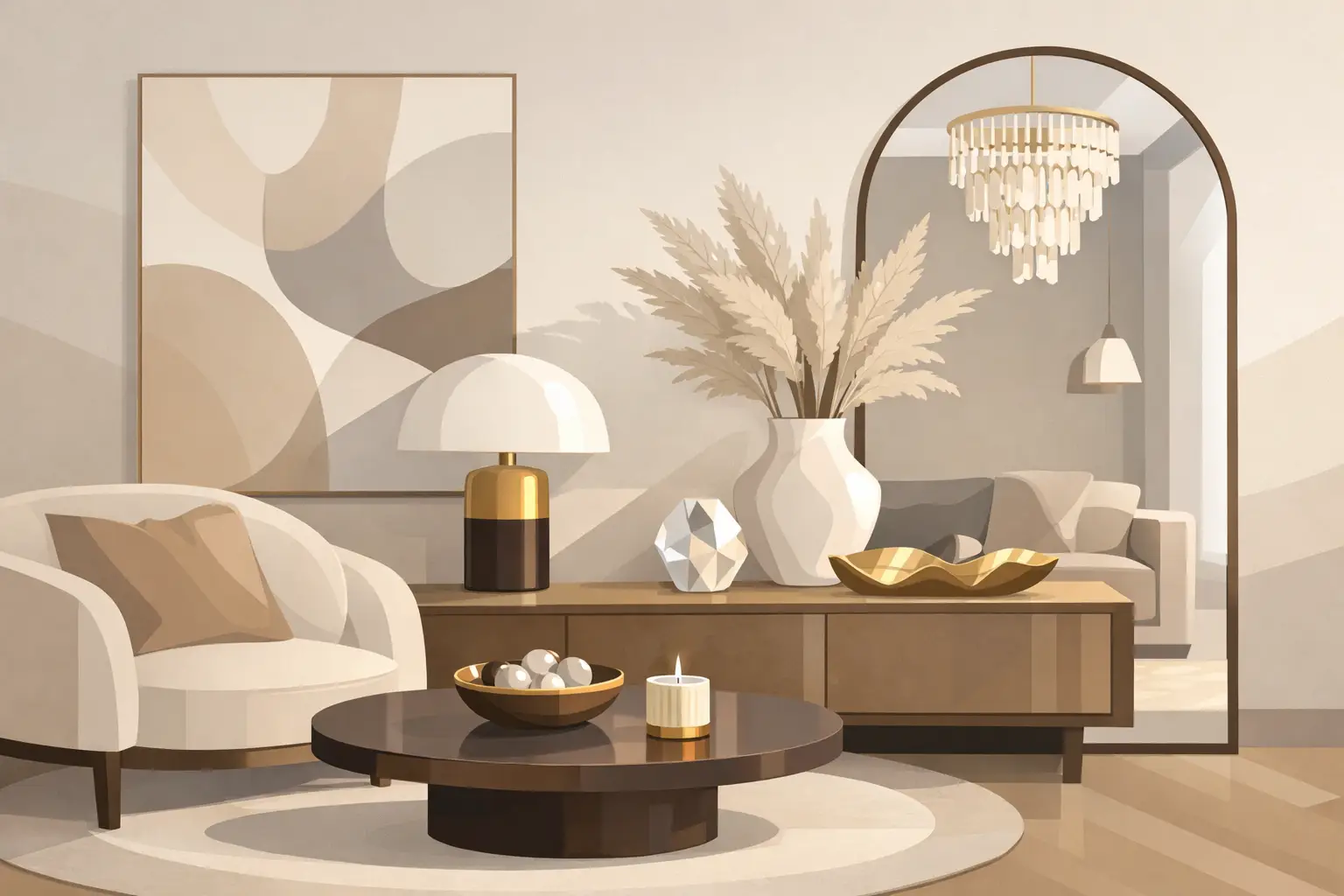
A room can have the right sofa, a beautiful rug, and good lighting, yet still feel unfinished. That missing layer is usually found in luxury home accents – the smaller design details that give a space depth, character, and a more intentional point of view. They are not filler. They are what make a home feel considered rather than merely furnished.
For shoppers who want their home to look elevated without turning every update into a full renovation, accents offer one of the smartest ways to create impact. A sculptural vase on a console, a polished tray on a coffee table, richly textured pillows, or a statement mirror can shift the entire mood of a room. The best part is that these pieces work hard without demanding a complete redesign.
What makes luxury home accents feel luxurious?
Luxury is often confused with price alone, but the look and feel of a well-styled home comes from more than cost. True luxury home accents usually share a few qualities: strong materials, thoughtful finishing, visual weight, and a sense of restraint. A marble object catches attention differently than plastic. Brushed metal feels more refined than a shiny imitation. Linen, glass, ceramic, and carved wood tend to read as more elevated because they carry texture and variation.
Scale matters too. An accent can be small, but it should still feel deliberate. A tiny lamp on a large console often looks accidental, while a properly sized lamp creates confidence. The same goes for artwork, mirrors, decorative bowls, and candleholders. When proportions feel right, the room feels more expensive.
There is also the issue of editing. Homes rarely look luxurious because they are packed with decorative items. They look luxurious when each piece has breathing room. A single dramatic object can often do more than six smaller pieces competing for attention.
The luxury home accents worth prioritizing first
Not every accent has equal impact. If you are refreshing your space and want visible results, start with the pieces that change how a room reads at a glance.
Mirrors that add light and presence
A well-placed mirror is one of the highest-value design moves in the home. It reflects light, adds dimension, and can make a narrow hallway, entryway, or apartment living room feel more open. To keep it in luxury territory, focus on shape and frame quality. Arched silhouettes, slim metallic finishes, carved wood frames, and oversized designs all make a stronger statement than basic builder-grade styles.
A mirror should not feel like an afterthought. In an entryway, it can become the focal point above a console. In a dining space, it can soften the room while amplifying ambient light. In a bedroom, it brings both function and visual height.
Decorative trays that organize beautifully
Trays are often overlooked, but they are one of the easiest ways to make a room look polished. On a coffee table, they corral candles, books, and small objects into one composed arrangement. On a bathroom vanity, they instantly elevate everyday items such as soap dispensers, perfume bottles, or rolled hand towels.
The material changes the mood. A mirrored tray feels glamorous. Leather or faux leather reads tailored. Stone, resin, or metal can feel modern and substantial. The trade-off is that highly decorative trays can be less versatile, so if you want one piece to move through different rooms over time, choose a neutral shape with a refined finish.
Accent lighting that feels like jewelry for the room
Lamps and small lighting elements often do more for ambiance than overhead fixtures. A table lamp with a sculptural base, a pair of wall sconces, or even a softly glowing LED accent piece can create intimacy that harsh ceiling lights never will. This is where luxury becomes emotional. The room does not just look better. It feels better.
Warm light is usually the safer choice for living rooms, bedrooms, and dining spaces. Cooler light can look clean in bathrooms or task-focused areas, but too much of it can flatten the room. If your home already has strong architecture, keep lamp shapes simpler. If the room feels plain, lighting can add the interest you are missing.
Textiles that soften and enrich
Throw pillows, blankets, and window treatments are among the fastest ways to upgrade a room without replacing furniture. The key is choosing texture over clutter. Velvet, boucle, linen, faux fur, and heavyweight cotton all create that layered, finished effect associated with high-end interiors.
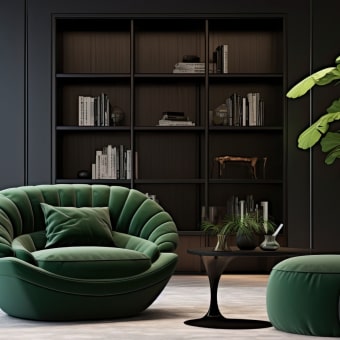
Color choice matters more than trend chasing. Rich neutrals such as ivory, taupe, charcoal, camel, and soft black tend to look more expensive than overly bright novelty shades. That does not mean color is off limits. Jewel tones, earthy greens, and muted blues can look exceptional when they support the room rather than dominate it.
How to style luxury home accents without overdoing it
A common mistake is buying beautiful objects one by one without thinking about how they will live together. The result can feel expensive, but not elegant. Styling works best when there is a clear rhythm across the room.
Start by repeating materials or finishes in small ways. If your coffee table has brass details, a brass-framed candleholder or lamp elsewhere in the room creates cohesion. If your dining area features dark wood, bringing that tone into a bowl, tray, or picture frame helps tie the story together.
Height variation also makes a big difference. Grouping objects of different heights creates movement and keeps surfaces from looking flat. A stack of books, a medium-height vase, and a lower decorative object often feel balanced together. When every item is the same size, the arrangement can look static.
Negative space is just as important as what you display. Leave room around statement pieces so the eye can actually land on them. This is especially helpful in smaller homes and apartments, where too many accents can make the space feel crowded instead of refined.
Room-by-room ideas that deliver the most impact
In the living room, focus on the coffee table, side tables, and mantel if you have one. This is where accents are most visible, so choose fewer, better pieces. A tray, a candle, a small stack of books, and a sculptural object often go further than a dozen little decorations.
In the bedroom, luxury home accents should support calm. Think elegant bedside lamps, soft textiles, a bench with a folded throw, and perhaps a statement mirror or art piece. Bedrooms usually benefit from a quieter approach than living spaces.
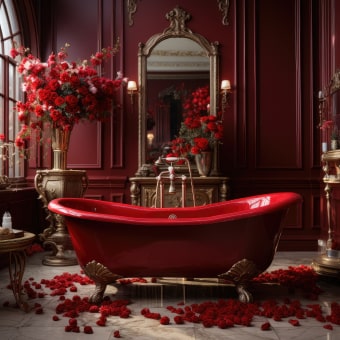
In the bathroom, even practical items can be elevated. A sleek soap dispenser, matching containers, a vanity tray, plush towels, and a subtle decorative object can make the room feel closer to a boutique hotel than a utility space. This is one area where a small spend can create a noticeably upscale result.
Entryways deserve more attention than they often get. They set the first impression for guests and the tone you come home to every day. A mirror, console table styling, a quality vase, and a catchall tray create a welcoming and organized entrance. For busy households, this mix looks good while still serving real-life function.
How to shop smart for luxury home accents
The smartest purchases sit at the intersection of beauty, usefulness, and versatility. A decorative object that only works in one exact corner may still be worth it if you love it, but most shoppers get more value from pieces that can move from room to room as their style evolves.
Pay attention to finish quality in photos and product details. Look for materials that suggest weight and durability, not just appearance. Texture, edge detail, and construction all matter. A piece does not need to be extravagant to look high-end, but it should feel intentional.
It also helps to mix statement accents with quieter supporting pieces. If everything is bold, nothing stands out. One dramatic mirror or lamp has more presence when the surrounding accessories are understated. That balance is often what separates a home that feels curated from one that feels crowded with trendy buys.
For shoppers who want premium style without spending weeks sourcing from multiple stores, a curated retailer like Arvenas makes the process easier. The advantage is not simply convenience. It is the ability to build a more cohesive look across categories, from décor and lighting to furniture and everyday home upgrades.
Luxury home accents are not about filling space for the sake of decoration. They are about choosing details that make daily life feel more polished, comfortable, and distinctly yours. Start with one surface, one room, or even one standout piece, and let the rest build from there with patience and taste.








Leave a comment