Are Bidets Hygienic? A Cleaner Bathroom Routine
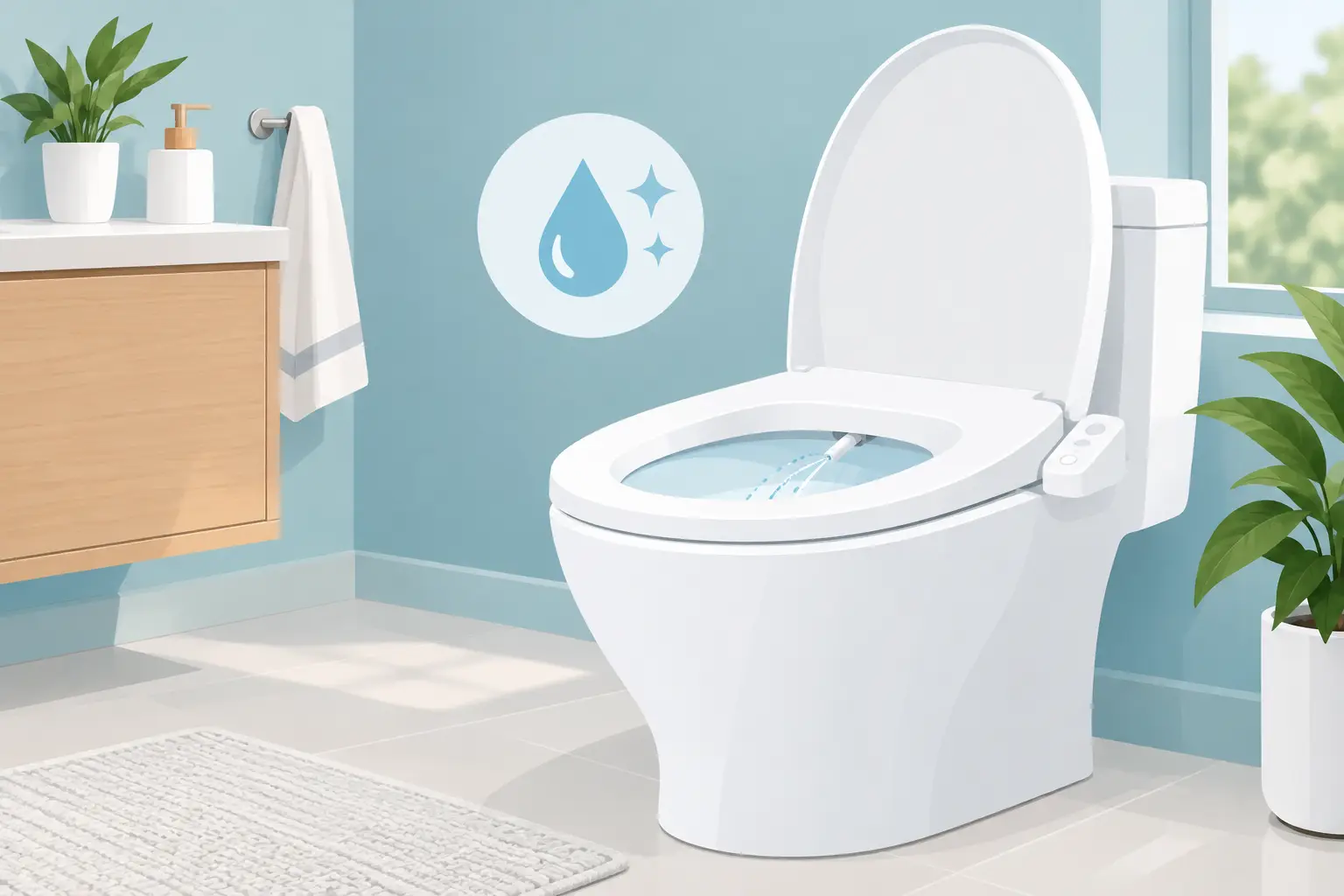
A bidet can feel like a small bathroom upgrade with surprisingly high stakes: it changes a routine most people never question. So, are bidets hygienic? For most households, yes. When used and maintained properly, a bidet offers a gentle, effective way to rinse after using the toilet and can leave less residue behind than dry toilet paper alone.
The key phrase is “used and maintained properly.” A bidet is not automatically cleaner just because it uses water, and toilet paper is not inherently unclean. Hygiene comes down to water quality, nozzle design, cleaning habits, and how the fixture fits into your personal routine. The good news is that modern bidets are designed with those details in mind, making a more polished, comfortable bathroom experience entirely practical.
Are Bidets Hygienic Compared With Toilet Paper?
Water is generally better than dry paper at rinsing away residue from skin. Think of washing your hands after cooking rather than only wiping them with a napkin. Toilet paper can still have a role after using a bidet, but often only for a light pat dry or a quick check for cleanliness.
This can be especially appealing for people with sensitive skin, hemorrhoids, postpartum soreness, or irritation from frequent wiping. Less friction may mean greater day-to-day comfort. That said, a bidet is not a medical treatment, and anyone managing an ongoing skin condition, infection, or pain should follow guidance from a qualified healthcare professional.
A properly installed bidet uses clean household water. It does not spray toilet-bowl water back onto the body. With a quality attachment, seat, or integrated fixture, the spray is directed toward the area being cleaned, then runs into the bowl just as water from a shower runs down the drain.
What Makes a Bidet Sanitary?
The most hygienic bidet is one designed to minimize contact and make routine care simple. Many modern models include a self-rinsing nozzle that flushes before and after use. Some have retractable nozzles that remain tucked behind a protective guard when not in use, helping keep them away from splashes inside the bowl.
Nozzle position matters, too. A well-designed unit should provide targeted cleansing without requiring users to shift excessively or touch the nozzle. Adjustable water pressure is more than a luxury feature: a gentle setting lets you clean comfortably without creating unnecessary spray or irritation.
For electric bidet seats, warm water and warm-air drying can reduce the need for paper even further. For a simpler refresh, a non-electric attachment can deliver the essential benefit of water cleansing with a streamlined setup. Neither option is categorically more hygienic. The better choice is the one your household can use correctly and clean consistently.
The Hygiene Concern People Ask About Most: The Nozzle
It is reasonable to wonder whether a bidet nozzle can collect germs. Any bathroom fixture can harbor bacteria if it is neglected, including flush handles, faucet levers, toilet seats, and the rim of the bowl. A bidet nozzle is no exception, which is why its construction and care matter.
A retractable, self-cleaning nozzle is a smart feature for busy homes. It limits exposure between uses and makes the experience feel more refined. Still, self-cleaning does not mean maintenance-free. The nozzle and the areas around it should be inspected and cleaned according to the manufacturer’s instructions.
Avoid harsh cleaners, abrasive pads, or products that can damage plastic, seals, or delicate spray openings. A soft cloth and a mild bathroom-safe cleaner are usually sufficient for exterior surfaces. If mineral buildup is common in your area, periodic attention to the nozzle openings can help keep the spray even and the fixture functioning beautifully.
How to Use a Bidet Cleanly
Good technique is straightforward. Use the toilet first, then activate the bidet at a low pressure setting. Let the water rinse the area thoroughly, adjusting the aim or pressure only as needed. There is no need to overdo it. A brief, targeted rinse is usually enough.
Afterward, pat dry with a small amount of toilet paper or a clean dedicated towel. If you choose reusable cloths, treat them as personal hygiene items: use a fresh cloth each time, store used ones in a covered container, and wash them on a hot cycle. Shared family towels are not a hygienic substitute.
For households with children, guests, or multiple users, a quick explanation goes a long way. The controls should be easy to reach, and everyone should understand that the spray is for cleansing, not for washing the bowl or playing with water pressure. Thoughtful design turns a novelty into an elegant everyday convenience.
Bidet Habits That Can Reduce Cleanliness
A bidet can be part of a cleaner routine, but a few habits undermine the benefit. Do not use the same washcloth more than once. Do not let visible buildup sit on the nozzle or seat. And do not assume that a powerful spray is better. Excessive pressure can be uncomfortable and may cause water to splash where it does not belong.
It is also wise to clean the surrounding toilet regularly. Wipe the seat, lid, controls, exterior surfaces, and the area around the mounting points. A bidet seat or attachment should be treated like any other high-touch bathroom fixture, with regular light cleaning rather than occasional deep-cleaning panic.
If your bidet connects to the water supply, proper installation is essential. Follow product instructions closely, use the included components, and consider professional help if plumbing connections are unfamiliar. A secure installation helps prevent leaks and ensures the unit operates as intended.
Who May Prefer a Bidet?
Bidets suit a wide range of homes, from compact apartments to polished primary baths. They can be especially useful for anyone seeking a more comfortable alternative to repeated wiping, including older adults or people with limited mobility. Features such as side controls, remote operation, adjustable pressure, and heated seating can add meaningful convenience without making the bathroom feel clinical.
They also appeal to households trying to use less toilet paper. While most users still keep paper on hand for drying or occasional use, reducing dependence on it can simplify restocking and cut down on everyday waste. The practical value is paired with a sense of quiet luxury: a bathroom routine that feels more considered, more comfortable, and better tailored to the people who use it.
There are trade-offs. Bidet seats need access to an outlet if you want electric features, and attachments may not offer heated water or drying. Integrated bidets can create a striking, high-end look but typically require more planning and investment. The right choice depends on your bathroom layout, budget, and preferred level of comfort.
Choosing a Bidet With Hygiene in Mind
When comparing options, prioritize a protected or retractable nozzle, a self-rinse function, adjustable water pressure, and controls that are easy to clean. A removable seat can also make more thorough cleaning easier. For an electric model, look for features that support comfort without adding unnecessary complexity to your routine.
Consider who will use it most. A minimalist attachment may be ideal for a guest bath or rental-friendly refresh, while a feature-rich seat may be worth it in a primary bathroom where comfort is part of the daily ritual. Good design should feel intuitive, not fussy.
A bidet does not need to turn your bathroom into a high-tech showroom to make a difference. Choose a quality fixture, keep it clean, and use it with a little common sense. The result is a fresher routine that brings a welcome touch of comfort and sophistication to one of the most-used spaces in the home.











Leave a comment