Your Guide to Choosing Blackout Curtains
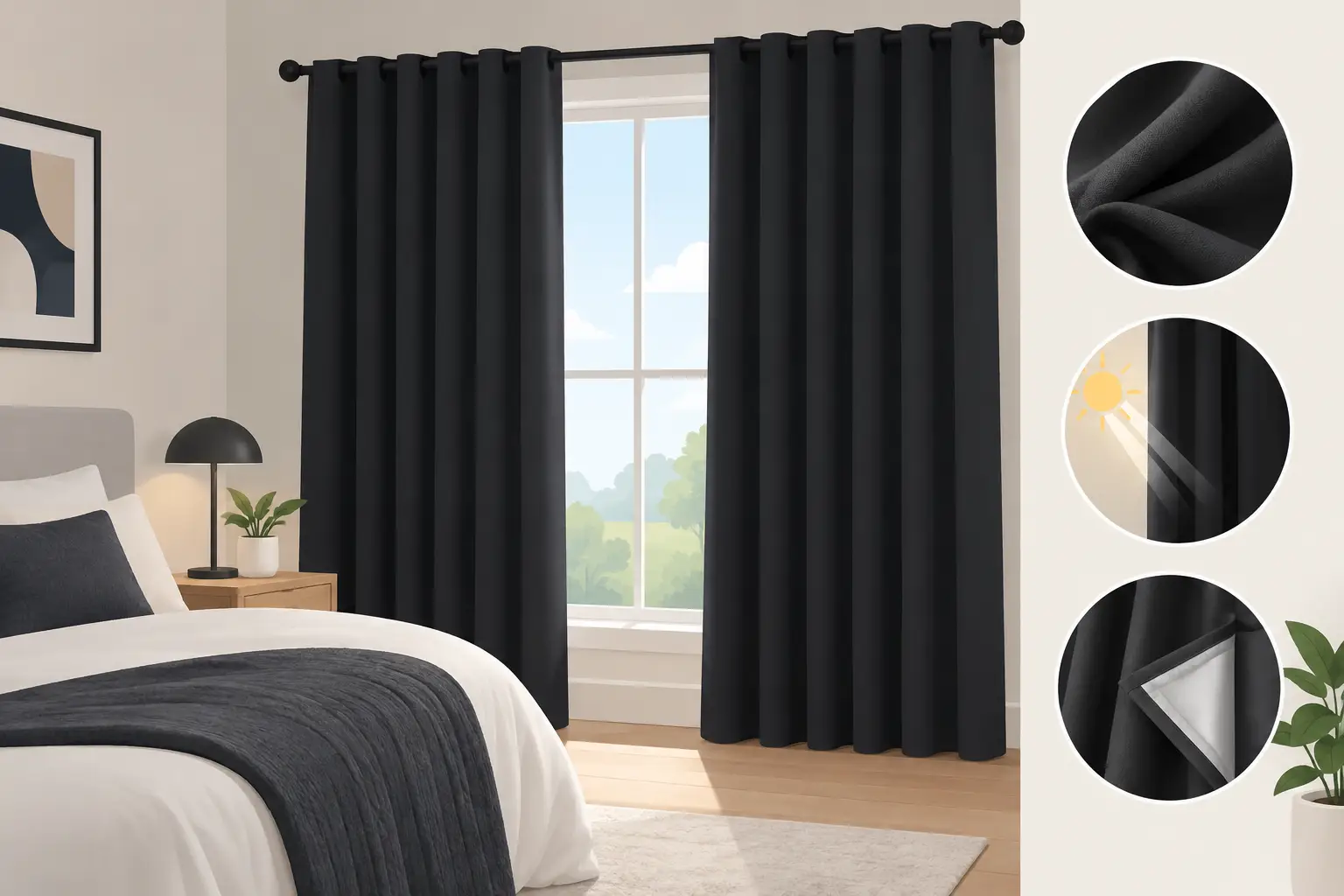
The wrong window treatment can make a beautiful bedroom feel unfinished at 6 a.m. when sunlight slips through every edge. This guide to choosing blackout curtains focuses on the details that create a genuinely darker, more restful room without sacrificing the polished look your home deserves.
Blackout curtains are one of those practical upgrades that can change the way a space feels almost immediately. They help create a more private setting, soften the visual clutter of a window, and give bedrooms, nurseries, media rooms, and guest spaces a calmer atmosphere. The best choice is not simply the darkest panel available. It is the curtain that fits your window, routine, décor, and expectations for light control.
What Blackout Curtains Actually Do
True blackout curtains use a tightly woven, layered, or foam-backed construction designed to block most outside light. They are especially useful for people who sleep during daylight hours, live near streetlights, enjoy afternoon movie viewing, or want young children to settle into a more consistent sleep environment.
Still, “blackout” does not always mean total darkness. Light can enter above the rod, around the sides, and through the gap where two panels meet. A quality curtain panel may block the light passing through its fabric extremely well, yet the installation determines how dark the room ultimately becomes.
For a space where you want a softer effect, room-darkening curtains can be the better fit. They reduce glare and create privacy but may allow a warm glow to filter through. This can be appealing in a living room or home office where complete darkness would feel too heavy during the day.
Guide to Choosing Blackout Curtains by Room
Start with the purpose of the room, because the same curtain rarely needs to perform the same way everywhere. In a primary bedroom, light control and a luxurious drape may be equally important. A nursery benefits from dependable daytime darkness, easy-care fabric, and a secure installation. In a media room, reducing glare on screens usually matters more than decorative texture.
Guest rooms are a smart place to prioritize versatility. A neutral blackout curtain in a refined fabric gives visitors privacy and sleep-friendly comfort while making the room feel finished between visits. For apartments, blackout panels can also help soften the sense of a busy street outside, particularly when layered with sheers for a more tailored look.
If you are furnishing a living area, consider whether you need blackout capability every day. A layered setup can offer the best balance: sheer panels for daylight and privacy, plus blackout drapes that close when needed. It feels elevated rather than purely functional.
Consider Light Direction and Window Placement
East-facing bedrooms tend to need the strongest morning light control. West-facing rooms may benefit from blackout curtains that reduce late-day glare and help the space feel more comfortable during warmer months. Street-facing windows call for generous width and careful side coverage, especially if privacy matters after dark.
Before ordering, look at where the light enters now. Is the main issue bright sunrise, a neighbor’s security light, or the glow of a city street? That answer will help you decide whether standard blackout panels are enough or whether you should pair them with a wraparound rod, a valance, or a blackout shade behind the curtains.
Choose the Right Fabric and Construction
Blackout performance comes from construction, not just color. A dark-colored lightweight panel is not automatically more effective than a pale panel with a proper blackout lining. In fact, a cream, ivory, or soft gray blackout curtain can work beautifully in a sophisticated bedroom if it has a dense lining or multi-layer weave.
Foam-backed curtains usually provide very strong light blocking at a value-focused price point. They can feel more structured and are often a practical choice for bedrooms and media spaces. Woven blackout fabrics tend to have a more refined hand and can better suit formal or design-led interiors. Lined curtains offer another appealing option, pairing a decorative face fabric with an opaque backing for a fuller, more custom appearance.
Texture matters, too. Linen-look fabrics bring relaxed elegance, though they may need a quality lining to achieve dependable coverage. Velvet creates a richer, more dramatic look and naturally lends itself to cozy, light-absorbing rooms. Smooth polyester blends are easy to care for and available in a wide range of colors, making them a sensible choice for busy homes, children’s rooms, and rental spaces.
Do not assume blackout curtains will noticeably soundproof a room. Heavier panels can soften some outside noise and reduce echo, but they cannot replace dedicated acoustic treatments. Think of noise reduction as a welcome bonus, not the main reason to buy.
Measure for Darkness, Not Just Window Size
The most stylish blackout curtain will underperform if it is too narrow or too short. Measure the width of the curtain rod, rather than only the glass, then plan for panels that provide at least 1.5 to 2 times that width when closed. More fullness creates a more generous drape and leaves fewer openings for light to pass through.
Mount the rod several inches above the window frame and extend it beyond both sides when possible. This approach makes the window appear larger while allowing the panels to cover more wall space. It is one of the simplest ways to improve light control without changing the curtains themselves.
For length, floor-skimming panels offer a clean, tailored finish. Curtains that just touch the floor feel classic and polished, while a slight puddle can create a more formal, romantic effect. Avoid panels that stop well above the floor unless there is a radiator, furniture placement, or another practical reason. Short curtains can create noticeable light gaps and often make a room feel less considered.
Look Closely at the Header Style
The top of the curtain affects both its appearance and performance. Grommet panels slide easily and suit contemporary interiors, but the openings around the grommets can allow a small amount of light through. Rod-pocket curtains give a more gathered, traditional look and can sit closer to the rod, though they are less convenient to open and close daily.
Back-tab and pinch-pleat styles offer a more tailored, high-end presentation. They are excellent choices when the curtains will be a visible part of the room’s design. For the strongest side coverage, use a wraparound rod or add return brackets that bring the panels closer to the wall.
Match Color and Style to the Mood You Want
Blackout curtains do not need to look heavy. Soft neutrals such as sand, mushroom, ivory, warm gray, and taupe create a serene, hotel-inspired backdrop. Deep navy, forest green, charcoal, or espresso can make a bedroom feel cocooned and dramatic. The right choice depends on whether you want the window treatment to blend quietly into the room or become a defining design feature.
When selecting color, consider the fabric’s visible side as well as the lining. A lighter curtain can keep a small room feeling open during the day, while the blackout layer works behind the scenes at night. This balance is especially useful for apartments and compact bedrooms where dark walls and dark drapes may feel overly enclosed.
For a cohesive result, repeat one tone from the room in the curtains. That could be the warmth of a wood nightstand, the color of bedding, or an accent from a rug. A curtain does not have to match everything exactly. It simply needs to look intentional.
Check Practical Details Before You Buy
A few specifications deserve attention before you settle on a style. Confirm whether the listed size is for one panel or a pair, as this is a common source of under-covered windows. Check the care instructions, particularly for velvet, lined fabrics, and curtains intended for kitchens or homes with pets. Machine-washable panels are often the most convenient option, but dry-clean-only drapes may be worthwhile for a more formal room.
Also consider how often the curtains will move. If you open them every morning, choose a header and rod combination that glides without pulling or catching. If they will remain closed most of the time, a heavier, more decorative style may make sense. The best purchase supports your habits rather than asking you to change them.
At Arvenas, thoughtful home upgrades are about more than filling a room. The right blackout curtains can turn a bright, exposed window into a setting that feels private, composed, and designed around your comfort.
When your curtains arrive, hang them first and assess the room at night and in early morning before making final styling decisions. A few inches of added rod width, a fuller panel, or a better-adjusted hem can be the small finishing touch that gives your room the peaceful, polished feel you wanted all along.









Leave a comment