How to Choose Accent Furniture That Looks Intentional
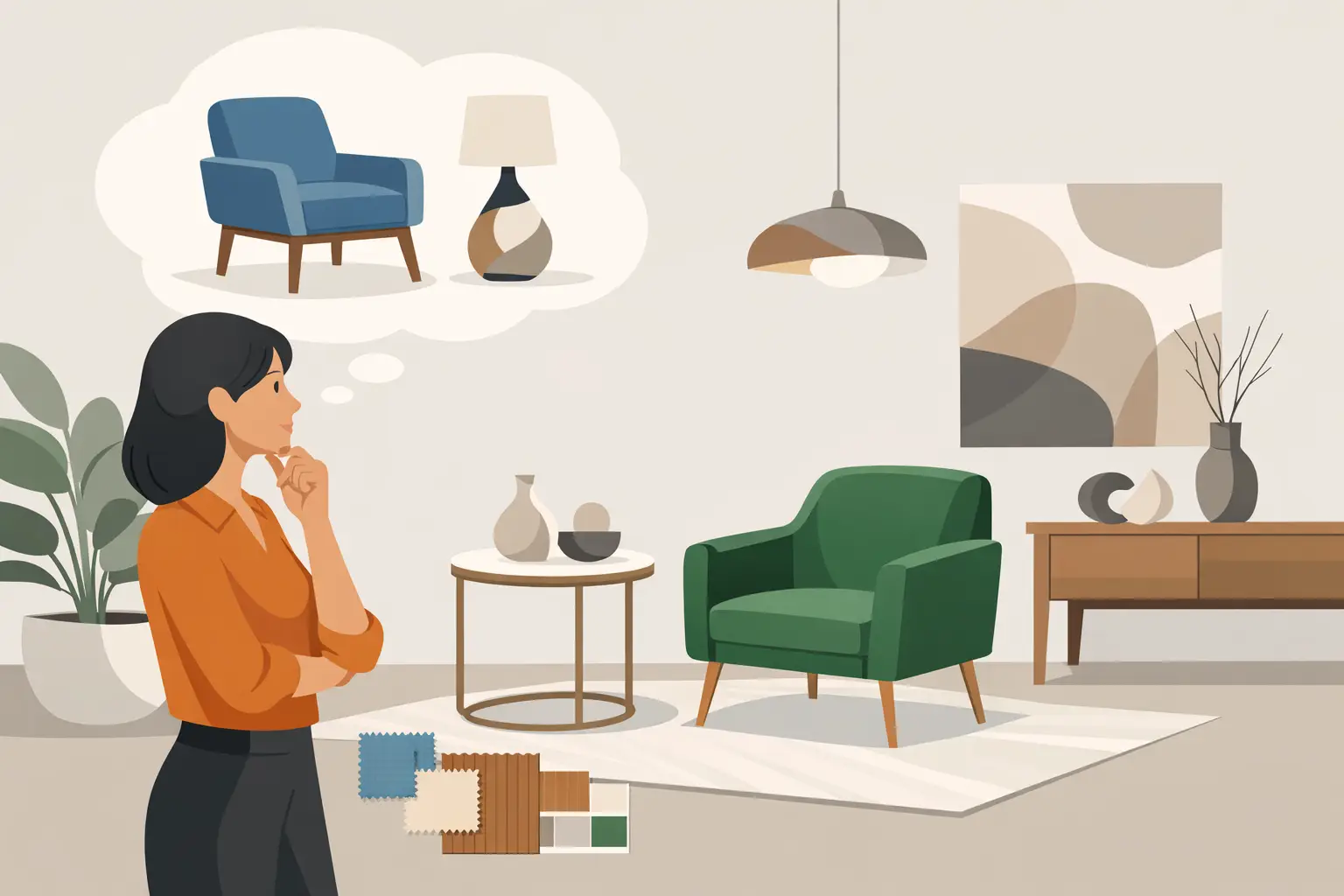
A room can have the right sofa, rug, and lighting yet still feel unfinished. The missing piece is often not more furniture, but the right accent piece: a sculptural side table beside a reading chair, a slim bench at the foot of the bed, or a distinctive cabinet that makes an entry feel considered. Knowing how to choose accent furniture helps you create that collected, high-end look without filling every open corner.
Accent furniture is where practicality meets personality. It can solve a small daily problem, such as where to set a coffee cup or store extra throws, while bringing in the shape, finish, or color that gives a room its point of view. The best choices feel intentional rather than accidental.
Start With the Job the Piece Needs to Do
Before falling for a beautiful silhouette, decide what the furniture needs to accomplish. An accent chair may create a conversation area, offer extra seating for guests, or turn an unused bedroom corner into a reading retreat. An ottoman can provide a footrest, a flexible seat, a coffee-table alternative, or hidden storage. Those are very different jobs, and each calls for a different size and construction.
Consider how the room is actually used. A delicate pedestal table may look exquisite in a formal sitting room, but a busy family room often benefits from a more substantial table with a stable base and an easy-care surface. In a compact apartment, a nesting table or storage bench earns its place because it works harder without making the room feel crowded.
Purpose also prevents a common shopping mistake: buying a statement piece that has nowhere useful to live. Style matters, but furniture that supports everyday routines will remain a favorite long after the initial excitement fades.
How to Choose Accent Furniture in the Right Scale
Scale is what makes a room feel polished. A piece can be beautiful on its own and still look out of place if it is too small, too tall, or too visually heavy for its surroundings. Measure the open area, then account for the walking space around it. You want the room to feel generous, not like an obstacle course.
For side tables, aim for a surface that sits close to the arm height of the sofa or chair it serves. A table that is dramatically lower can look lost and be inconvenient to use, while one that towers over the seat interrupts the visual line. Beside a bed, nightstands generally look best when their top surface aligns closely with the mattress height.
Visual weight matters as much as physical dimensions. A glass-topped table with an open metal frame can feel light in a smaller room, even when it offers a useful surface. A solid wood chest or upholstered storage bench has more presence and may be exactly what a large living room or spacious hallway needs. If your main furniture is low, wide, and substantial, choose an accent piece with enough scale to hold its own.
Create Contrast Without Starting Over
Accent furniture should not disappear into the background, but it does not need to match every existing finish. In fact, matching every wood tone, metal finish, and fabric can make a space feel flat. The goal is coordination, not a showroom set.
Look for a thread that connects the new piece to the room. It might be a repeated warm undertone, a similar curve, a black metal detail that echoes your lighting, or a fabric color pulled from the rug. A rich walnut table can sit beautifully near lighter oak furniture when both read warm and natural. A cream boucle chair can soften a room with sleek black accents because the color keeps it connected while the texture adds dimension.
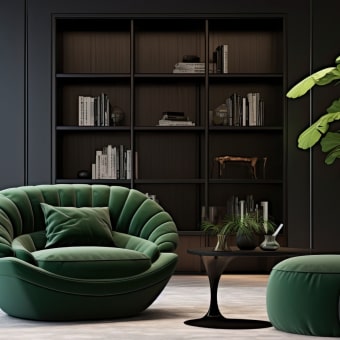
If the room already has a neutral foundation, accent furniture is a smart place to introduce color. A deep green cabinet, rust-toned pouf, or navy chair can bring drama without asking you to replace larger investments. For a more timeless result, choose a color you are happy to see year-round rather than one tied too closely to a passing trend.
Mix Materials for a More Collected Look
The most inviting rooms balance surfaces. Too much of one material can make a space feel overly formal, overly rustic, or simply one-note. If your living room includes a soft upholstered sofa and a plush rug, add definition with wood, metal, stone, rattan, or lacquered finishes. If the room already has hard surfaces, an upholstered accent chair or fabric-covered bench can bring welcome warmth.
This is also where an accent piece can make a premium impression. Details such as fluted wood, ribbed glass, woven texture, brushed metal, or a tailored upholstered edge add richness without requiring an entire room redesign. Choose finishes that suit the level of maintenance you are willing to give. Glass reflects light beautifully but shows fingerprints. Light upholstery feels airy but may not be ideal beside pets, children, or a frequently used dining area.
There is no rule that says every material must be mixed. In a minimalist space, a tonal approach with similar finishes can feel serene and sophisticated. The key is to introduce variation through shape, texture, or proportion so the room still has depth.
Let Shape Break Up the Room
Rooms often contain more rectangles than we realize: sofas, rugs, media consoles, windows, and framed art. An accent table with a round top, an arched cabinet, or a curved chair can soften those straight lines and make the layout feel more fluid.
Use the existing shapes as your guide. A square coffee table may pair well with rounded side tables. A curved sofa can look especially elegant with a streamlined, rectangular console behind it. When the room already includes several rounded elements, a crisp angular piece can provide contrast and keep the design from becoming overly soft.
Do not choose a dramatic shape just because it photographs well. A sculptural chair with deep sides may take up more floor space than expected, and a sharply angled table can be awkward in a narrow walkway. The most successful statement pieces are memorable and easy to live with.
Think About Sightlines and Placement
Accent furniture is often used to finish a blank spot, but an empty area is not automatically asking for furniture. First, stand at the room entrance and look at the primary sightlines. A beautiful accent chair can anchor a lonely corner, while a low console can make a long wall feel balanced. On the other hand, placing a tall bookcase beside a window may block natural light and make the room feel smaller.
Give each item enough breathing room to be noticed. A small table crowded between a large sofa and floor lamp will feel like an afterthought. Sometimes moving one existing piece a few inches creates the space needed for an accent item to look deliberate.
Entryways deserve special attention because they set the tone for the home. A compact bench, narrow console, or storage cabinet can offer a refined welcome while holding the things that tend to collect by the door. In bedrooms, a bench or accent chair adds a finished, hotel-inspired quality, provided it does not interfere with drawers, closet doors, or the path around the bed.
Choose Quality Where Hands and Eyes Will Notice It
Accent furniture may be smaller than a sofa, but it is often touched more frequently. Check whether drawers glide smoothly, hinges sit evenly, upholstery feels substantial, and table bases are stable. Look at the underside and back when product details are available. These less-visible areas can tell you a great deal about the level of craftsmanship.
For online shopping, dimensions, material descriptions, and customer-use scenarios deserve as much attention as the product images. A finish may appear darker on screen, and a compact chair can feel larger once it arrives. Measuring the footprint with painter’s tape on the floor is a simple way to avoid surprises.
At Arvenas, accent furniture can be approached as an elevated everyday upgrade rather than a decorative afterthought. Prioritize pieces that offer refined design and a clear purpose, especially when you are furnishing room by room or refreshing a space for a new season.
Give the Room One Clear Moment
Not every accent piece needs to be bold. If you choose a patterned chair, let nearby tables and storage pieces be quieter. If a carved wood cabinet is the focal point, pair it with simpler lighting and accessories. A room with several competing statement pieces can feel expensive, but not necessarily elegant.
A useful test is to ask what you notice first when you walk in. If there is one appealing focal moment and the other pieces support it, the space is likely in balance. If your eye jumps everywhere, remove or simplify before adding more.
Choose the accent furniture that makes daily life easier and makes you pause for a second look. That combination is what turns an ordinary room into a space that feels distinctly yours.
Kitchen Essentials Checklist for a Stylish Home
What Are Must-Have Kitchen Tools for Every Home?
Comments
[…] table itself should feel proportional to the wall and surrounding traffic path. Leave enough clearance to open […]









Leave a comment