Minimalist Desk Setup Essentials That Work
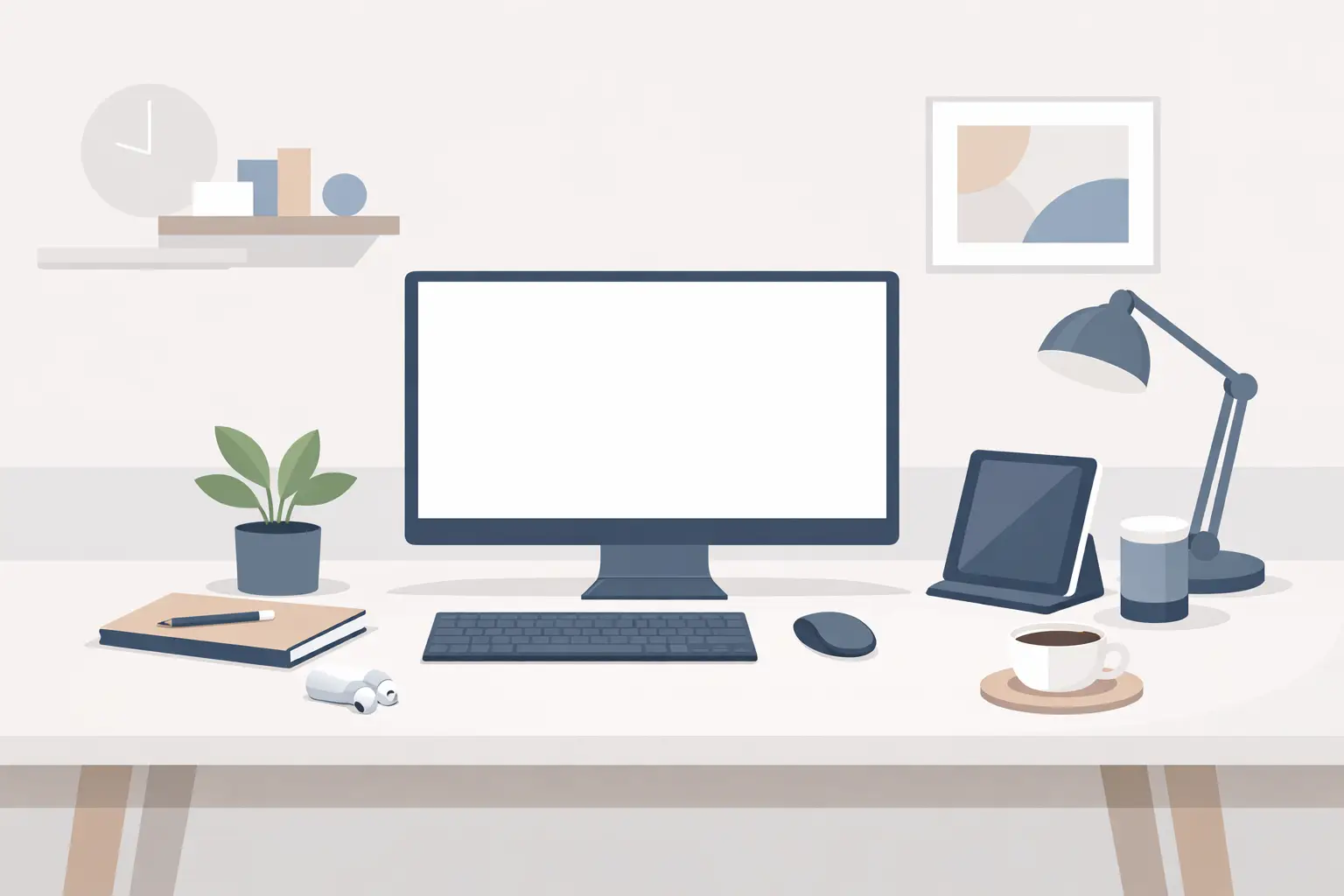
A crowded desk does more than interrupt the look of a room. It quietly pulls attention away from the task at hand: the charging cable catches on a notebook, the lamp throws a harsh shadow across the keyboard, and small necessities disappear beneath a growing stack of papers. The right minimalist desk setup essentials replace that daily friction with a workspace that feels composed, comfortable, and distinctly yours.
Minimalism is not about working with less simply for the sake of it. It is about choosing pieces with purpose, quality, and visual restraint. Whether you are styling a home office, a compact apartment nook, or a study corner that has to work overtime, a few thoughtful upgrades can make the entire space feel more polished.
Start With a Desk That Fits the Room
The desk is the foundation of every focused workspace, so its size and silhouette deserve more attention than its price tag alone. A generous surface is useful, but an oversized desk can overwhelm a smaller room and invite clutter. In tight spaces, a slim writing desk with a drawer or an open shelf often provides the better balance between storage and visual lightness.
Choose materials that support the mood you want to create. Warm wood introduces a grounded, residential feel that works beautifully beside upholstered seating and soft decor. Glass can make a compact room appear more open, while a clean white or matte black finish offers a crisp, contemporary statement. If your desk doubles as a vanity or console table after work, refined hardware and a finished back are details worth paying for.
The goal is not an empty surface. It is a surface with breathing room. Leave enough open space for your primary work tool, a writing area, and one intentional personal accent. That might be a sculptural tray, a small plant, or a framed photo – not all three competing for attention.
Minimalist Desk Setup Essentials Begin With Ergonomics
A beautiful office loses its appeal quickly if it leaves you with stiff shoulders by lunchtime. Start by setting your chair so your feet rest flat on the floor and your knees sit near a 90-degree angle. Your elbows should remain relaxed when you type, rather than reaching up toward the desktop or dropping too low.
A supportive adjustable chair is one of the most valuable investments in a setup you use every day. Look for a shape that supports the lower back without making the room feel overly corporate. A streamlined upholstered chair, a refined faux-leather design, or a modern mesh style can deliver comfort while keeping the overall look elevated.
Your monitor should sit near eye level, with the top third of the screen roughly in line with your gaze. A monitor stand is an easy way to correct a low screen while also creating a useful zone beneath it for a keyboard or notebook. Laptop users may benefit from a simple riser and separate keyboard, particularly if work sessions regularly run longer than an hour or two.
Choose Technology That Disappears Into the Design
Minimalist does not mean technology-free. It means selecting technology that earns its place and managing the visual noise around it. A wireless keyboard and mouse remove two obvious cables from sight while making the desktop easier to wipe clean. Opt for coordinating finishes rather than a mix of glossy plastic, bright colors, and unrelated metals.
Charging is another area where a small upgrade creates a major visual improvement. A compact wireless charging pad or multi-device charging station can keep a phone, earbuds, and smartwatch powered from one designated location. Place it near an outlet but away from your main writing zone, so it does not become a landing pad for random items.
Cable management is the detail that separates an intentionally styled workspace from one that only looks good in a photograph. Use an under-desk tray, adhesive clips, or a discreet cable sleeve to guide cords down one side of the desk. If your setup includes a monitor, lamp, printer, and laptop, label power adapters before concealing them. That small bit of planning makes future adjustments much less frustrating.
Light the Work, Not Just the Room
Overhead lighting alone rarely creates a comfortable desk environment. It can cast shadows on paperwork, create screen glare, and flatten the carefully chosen textures in the room. A dedicated desk lamp adds useful task lighting while giving the workspace a more complete, high-end presence.
For a minimalist look, choose a lamp with an adjustable arm, a compact base, and a finish that relates to the desk or nearby hardware. Brushed gold lends warmth to a walnut or cream-colored setup. Matte black feels graphic and modern against pale wood, white surfaces, or stone-inspired decor. A lamp with dimming control is particularly helpful if the desk is used for both daytime productivity and evening planning.
Color temperature matters, too. Cooler white light can feel alert and work-focused, while warmer light is more relaxed and inviting. If your desk serves multiple purposes, adjustable lighting gives you more flexibility than committing to one fixed tone.
Make Storage Quiet and Deliberate
Visual calm comes from giving the small things a home. Pens, receipts, sticky notes, charging blocks, and mail are rarely glamorous, but they are exactly what turn a beautiful desk into a cluttered one. The answer is not to hide everything in an oversized drawer and hope for the best. It is to create simple, repeatable storage zones.
Use a shallow drawer organizer for writing tools and technical accessories. A small lidded box can hold items you need occasionally, such as spare cables, stamps, or adapters. For documents, a vertical file holder is often more practical than stacking papers horizontally, especially when you need to locate something quickly.
Keep desktop organizers limited to the items you touch every day. A refined pen cup, a letter tray, and a small catchall can be enough. If you work with a great deal of paper, add a dedicated rolling cart or closed cabinet nearby instead of asking the desktop to carry the entire burden.
The one-in, one-out rule
A minimalist desk is maintained through habits, not just purchases. When a new notebook, device, or accessory comes into the workspace, decide what it replaces or where it will live. This simple one-in, one-out rule keeps convenience from slowly becoming accumulation.
Add Personality Without Reintroducing Clutter
The most inviting workspaces do not feel sterile. They carry a hint of the person who uses them, but that personality comes through better in a few confident choices than in a crowded collection of objects. Consider one organic element, such as a low-maintenance plant or a ceramic vase with a seasonal stem. Then add one tactile detail, such as a textured desk mat, a linen-covered notebook, or a polished coaster.
A desk mat is especially useful because it protects the surface, defines the work zone, and makes a keyboard and mouse feel more anchored. Leather-look finishes create a tailored, executive feel, while felt or soft woven materials introduce warmth. Select a size that gives your equipment room to move without covering the desk completely.
Color should be intentional. A neutral base with one accent shade is easier to maintain than a mix of unrelated tones. For example, pair light oak, cream, and brass with muted green accents, or use black, walnut, and deep navy for a richer look. This approach allows practical additions to feel like part of a considered design instead of an afterthought.
Build for the Way You Actually Work
The most stylish desk setup is not automatically the most useful one. A designer who works with a large monitor and drawing tablet has different needs than a parent managing household paperwork, or a remote professional taking video calls all day. Before choosing accessories, notice what repeatedly interrupts your routine.
If video meetings are frequent, prioritize an elevated camera angle, flattering task lighting, and a calm background within view. If you move between rooms, a portable laptop stand and a slim organizer may offer more value than a permanent multi-monitor station. If your work involves writing by hand, protect a generous clear area for notes rather than filling it with decorative pieces.
This is where a curated, broad selection can be genuinely useful. At Arvenas, a workspace can come together through coordinated furniture, lighting, home accents, and practical tech accessories without forcing your style into one narrow category. The best choices are the ones that make your routine easier while still giving the room an elevated finish.
A minimalist desk should feel ready before you sit down: the light is right, the tools are within reach, and there is enough open space to think. Build around that feeling, then let every item prove why it belongs there.









Leave a comment