Robot Vacuum vs Cordless Vacuum for Your Home
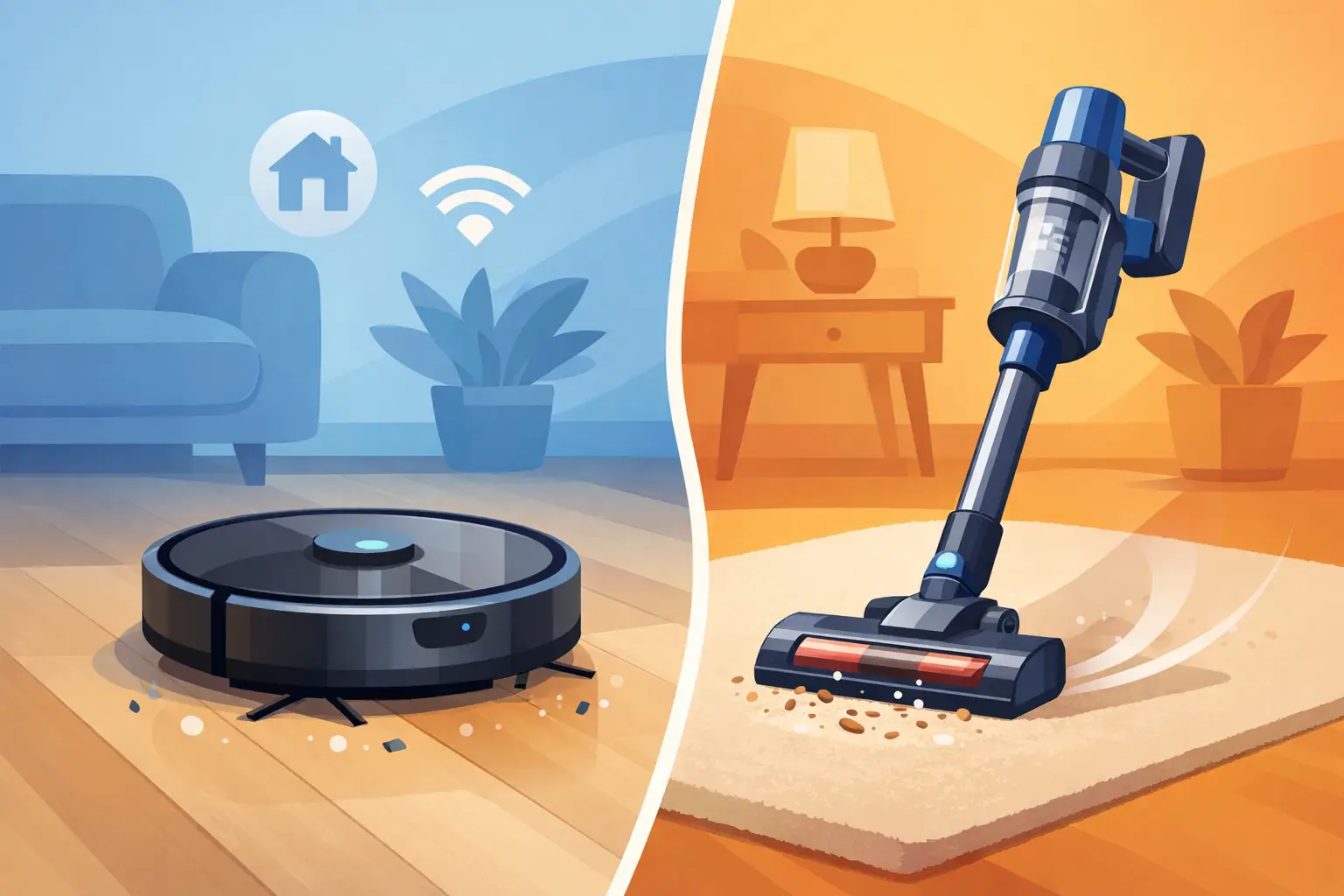
A spotless floor feels like one of life’s quiet luxuries, especially when you can enjoy it without giving up your weekend. In the robot vacuum vs cordless vacuum decision, the right choice comes down to more than suction power. It is about how your home moves, who lives in it, and whether you want to clean on your schedule or let a smart device handle the daily upkeep.
Both options can make a meaningful difference in a polished, comfortable home. A robot vacuum is designed for consistency and hands-off convenience. A cordless vacuum gives you control, reach, and the immediate satisfaction of seeing a mess disappear. For many households, the best answer is not about which machine is universally better. It is about which one makes your own routine feel easier.
Robot Vacuum vs Cordless Vacuum: The Core Difference
A robot vacuum cleans independently. You set a schedule, select zones through an app on many models, and let it travel across your floors while you work, cook, run errands, or relax. Most return to a charging dock when their battery runs low, and premium models can map rooms, avoid common obstacles, mop hard floors, or even empty their own dustbins.
A cordless vacuum is a lightweight, rechargeable upright or stick vacuum that you guide by hand. It offers fast, direct cleaning without the hassle of plugging and unplugging a cord. With the right attachments, it can handle floors, stairs, upholstery, vehicle interiors, ceiling corners, and the scattered debris that never seems to stay in one room.
The distinction is simple: robot vacuums protect your home from everyday buildup, while cordless vacuums give you targeted cleaning power whenever and wherever you need it.
Choose a Robot Vacuum for Everyday Maintenance
A robot vacuum is especially appealing when time is the real thing in short supply. It can tackle routine dust, crumbs, pet hair, and tracked-in debris before those small messes become noticeable. For busy professionals, parents, pet owners, and anyone who wants their living space to look cared for between deeper cleans, that consistency is its greatest strength.
The best use case is an open or moderately open floor plan with mostly hard flooring, low-pile rugs, and predictable furniture placement. A robot vacuum can glide beneath sofas, beds, and consoles where dust tends to gather unnoticed. Scheduling it to run a few times per week can help maintain that freshly finished look without adding another task to your day.
Smart mapping is worth considering if your home has several rooms or a mix of flooring. It allows the vacuum to recognize layouts, focus on high-traffic spaces, and avoid areas you would rather leave untouched. Models with self-emptying stations add another level of convenience, although they require more space and usually come at a higher price.
There are trade-offs. Robot vacuums may struggle with thick shag rugs, tangled cords, pet toys, loose socks, and cramped furniture layouts. They also cannot clean stairs, upholstery, car seats, or narrow corners as thoroughly as a handheld tool. Even an advanced model still benefits from a little preparation: pick up cables, clear low obstacles, and keep floors reasonably open before it begins.
For homes with shedding pets, a robot vacuum can be a true everyday asset. Running it frequently keeps hair from collecting along baseboards and drifting under furniture. Still, long pet hair can wrap around brush rolls, so regular maintenance remains part of ownership.
Choose a Cordless Vacuum for Control and Versatility
A cordless vacuum is made for the moments a robot cannot reach. Think spilled cereal after breakfast, soil near the entryway, crumbs in the sofa, stair treads, or a quick refresh before guests arrive. You take it off its charging mount, clean the area in front of you, and put it back when you are done.
This direct control makes cordless vacuums a strong choice for homes with varied surfaces and frequent spot-cleaning needs. A good motorized floor head can pull debris from rugs, while crevice and brush attachments make it useful far beyond the floor. One device can help refresh curtains, tidy a fabric headboard, clean a car, and reach the dust that settles along molding and window tracks.
Cordless models are often better at deep-cleaning a specific area because you can make repeated passes where the dirt is concentrated. If you have plush carpet, a busy household, or children who regularly bring the outdoors in, that focused power may matter more than automated maintenance.
Battery life is the primary limitation. Many cordless vacuums run for a limited time on their highest setting, particularly when using a motorized head. The advertised runtime may be enough for a smaller apartment or a quick daily pass, but larger homes may require charging between sessions. A removable battery or a model with multiple power modes can make a noticeable difference.
Weight also matters. A lightweight stick vacuum is easy to carry up stairs and use for quick jobs, but top-heavy designs can feel tiring when held overhead. Before choosing, consider who will use it most often and where it will be stored. A wall-mounted charging station in a utility closet, pantry, or laundry room keeps it accessible without compromising a refined living space.
Cleaning Performance: What Each Does Best
For daily debris on clear hard floors, a robot vacuum can deliver excellent results because it cleans often. Frequency matters. A device that quietly runs every morning may keep a kitchen or living room cleaner than a powerful vacuum that stays stored away for two weeks.
For edge cleaning, deep carpet work, stairs, and elevated surfaces, cordless vacuums have the advantage. You can guide the brush head exactly where it needs to go, apply extra passes, and switch attachments as the job changes. That flexibility makes it a more complete single-vacuum option for many homes.
Mopping changes the equation slightly. Some robot models vacuum and mop in one routine, making them particularly appealing for sealed hard floors. They are useful for maintaining a polished finish, but they are not a replacement for periodically cleaning stubborn spills or detailed areas by hand. A cordless vacuum paired with a separate mop can offer more control, though it creates an extra step.
Consider Your Home’s Layout and Lifestyle
A compact apartment with smooth floors, minimal clutter, and a demanding work schedule is ideal robot vacuum territory. The device can quietly maintain the floor while you focus on everything else. If you enjoy smart-home convenience and appreciate returning to a clean space, automation earns its place quickly.
A multilevel home often benefits more from a cordless vacuum, particularly if stairs are part of the daily picture. Carrying a lightweight vacuum upstairs is far easier than moving a robot and its dock between levels. It is also more practical for cleaning bedrooms, closets, upholstered furniture, and the car.
For a home with pets and children, look closely at the type of mess you manage. Fine fur, dry kibble, and daily crumbs favor a robot vacuum that can run often. Muddy paw prints, scattered craft supplies, cereal spills, and upholstery messes favor the immediacy of a cordless model. Homes with both types of mess may find that the two appliances complement each other beautifully.
Furniture is another deciding factor. Robot vacuums need enough clearance to pass under and around pieces without getting trapped. A design-forward home with low-profile chairs, decorative floor baskets, charging cables, and layered rugs may require more supervision. A cordless vacuum asks less of the room itself because you direct every movement.
Upfront Price, Ongoing Care, and Real Value
Robot vacuums range from simple entry-level cleaners to sophisticated models with cameras, laser navigation, automatic emptying, and mopping systems. Higher-priced versions can save time and reduce routine effort, but they also come with filters, bags, replacement brushes, and sensors that need periodic care.
Cordless vacuums can also vary widely in price. Premium models often offer stronger suction, better filtration, specialized pet tools, longer battery options, and refined storage solutions. Their upkeep is usually straightforward: empty the bin, wash or replace filters as directed, remove hair from the brush roll, and recharge the battery.
The better value is the one you will actually use. A robot vacuum that sits docked because your floors are too cluttered is not a smart investment. A cordless vacuum stored in an inconvenient spot may not get used for the quick cleanups it was meant to simplify. Consider the habits you already have, not just the routine you hope to create.
Should You Own Both?
For many homes, the most elevated setup is a robot vacuum for routine floor maintenance and a cordless vacuum for detail work. The robot handles the invisible daily buildup beneath furniture and across open areas. The cordless vacuum steps in for stairs, upholstery, quick spills, corners, and deeper weekly attention.
That combination is most worthwhile for larger homes, pet households, or anyone who values a consistently polished environment. It is also a practical way to divide the work: automation handles repetition, while the cordless vacuum handles precision.
If you are choosing only one, select a robot vacuum when saving time and maintaining clear hard floors are your priority. Choose a cordless vacuum when versatility, stronger hands-on cleaning, and access to every surface matter most. Start with the messes you see most often, then choose the tool that makes caring for your home feel less like a chore and more like an effortless part of living well.













Leave a comment