9 Small Bathroom Makeover Examples That Feel Luxe
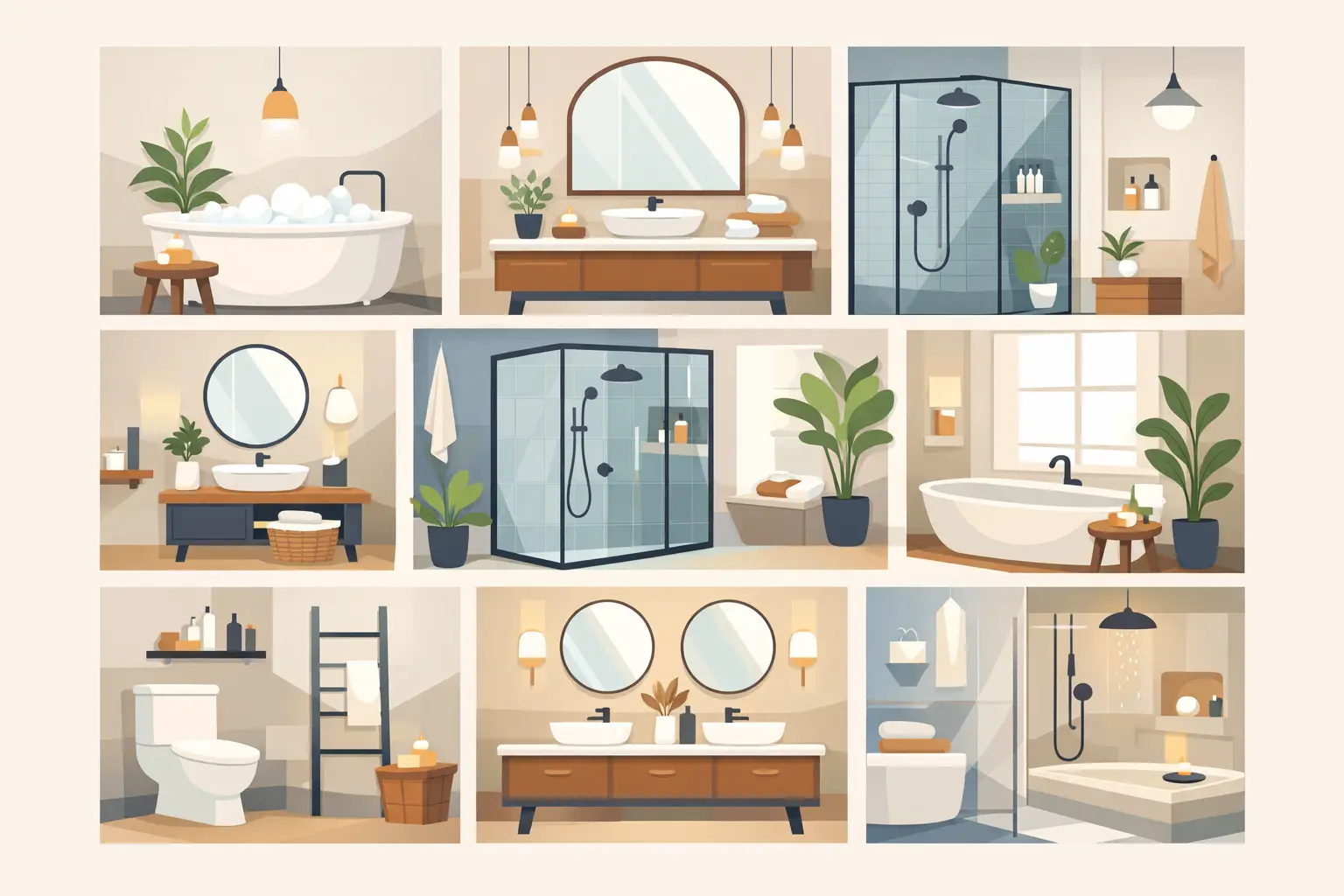
A cramped vanity, weak lighting, and nowhere to put a clean towel can make even a well-kept bathroom feel unfinished. The most successful small bathroom makeover examples do not simply add more decor. They make each daily ritual feel considered, from the first glance in the mirror to the last towel folded away. With the right balance of finishes, storage, and scale, a compact bath can feel like a private, high-end retreat.
What Makes a Small Bathroom Feel More Expensive?
Square footage matters less than visual order. A small room is quick to overwhelm, so choose a limited material palette and let a few quality details carry the design. Think warm metal hardware, a substantial mirror, soft textiles, and storage that keeps the counter clear.
Before choosing a finish, decide what needs to improve most. If the room feels dark, prioritize lighting and reflective surfaces. If it feels crowded, rethink the vanity and vertical storage. If it looks dated but functions well, a new faucet, mirror, paint color, and coordinated accessories may deliver a dramatic change without moving plumbing.
These small bathroom makeover examples show how a thoughtful edit can create a polished result at a range of budgets.
9 Small Bathroom Makeover Examples to Inspire Your Space
1. The Floating Vanity Refresh
Replacing a bulky, floor-mounted vanity with a wall-mounted design creates an immediate sense of space. The open floor beneath it allows the eye to travel farther across the room, while a drawer-based model can still hold everyday essentials. Choose a finish with depth, such as natural oak, walnut-inspired wood grain, or matte charcoal, instead of a thin-looking glossy cabinet.
Pair it with a vessel or integrated sink that does not consume the entire counter. This look is especially effective in narrow powder rooms, where a vanity that is even a few inches slimmer can improve movement. The trade-off is reduced storage, so use drawer organizers and a nearby wall cabinet to keep small items contained.
2. The Soft White Spa Bathroom
A white bathroom can look serene rather than sterile when it includes varied textures. Start with creamy white walls or tile, then introduce a ribbed bath mat, waffle-weave towels, a stone-look tray, and a framed mirror in brushed brass or black. The room stays bright, but the layered surfaces add the warmth that plain white spaces often lack.
Keep product bottles from becoming visual clutter. Matching refillable dispensers for hand soap, lotion, and shower essentials make a modest vanity feel far more intentional. This is one of the best small bathroom makeover examples for renters and homeowners who want an elevated look without a full renovation.
3. The Statement Mirror Upgrade
A mirror is often the most underused design opportunity in a small bath. Swap a basic rectangular builder mirror for an arched silhouette, a slim metal frame, or a softly rounded shape that adds movement above the sink. A generous mirror also bounces light around the room, making limited square footage feel less enclosed.
For the most refined result, match the mirror finish to your faucet or lighting hardware. It does not need to be identical, but it should feel related. A polished chrome faucet with a warm brass mirror can work, though it requires a deliberate, collected look. If you prefer an easy win, keep the metals consistent.
4. The Vertical Storage Wall
When counter space is scarce, look up. A narrow shelving unit, recessed medicine cabinet, or a pair of floating shelves can turn an empty wall into useful storage without making the room feel packed. Reserve open shelving for the items that look good on display: rolled towels, a small lidded container, a candle, and a modest plant or decorative object.
Everything less attractive should have a concealed home. Slim bins, drawer dividers, and under-sink organizers prevent the familiar jumble of skincare, grooming tools, and backup supplies. In a busy family bath, closed storage is usually the more practical choice. Open shelves are better suited to a powder room or a bath used mainly by guests.
5. The Moody Powder Room
Small powder rooms can handle richer color than larger bathrooms because they are not expected to feel expansive. A deep navy, forest green, espresso brown, or charcoal wall color creates instant atmosphere, especially when paired with a gleaming faucet and a sculptural mirror. It is a confident choice that turns a purely functional room into a memorable design moment.
Balance the darker walls with bright lighting and a clean sink area. A pale countertop, light-toned floor, or metallic accent keeps the space from feeling cave-like. If paint alone feels too subtle, a refined wallpaper pattern can bring the same dramatic effect. Just select a design that will not compete with every accessory in the room.
6. The Hotel-Style Shower Corner
A shower curtain can be practical, but the right version should look tailored. Hang it high, close to the ceiling, and use a full-length curtain in a crisp neutral or quiet pattern. This draws the eye upward and gives even a standard tub-shower combination more presence. Add a coordinated liner and quality hooks so the whole arrangement feels finished.
Inside the shower, replace scattered bottles with a tidy corner caddy or wall-mounted organizer. A teak-style shower stool, if space allows, brings a hotel-inspired touch while providing a place for a towel or bath products. In very tight showers, skip the stool and focus on a slim storage solution that keeps the floor open.
7. The Light-Layered Vanity Zone
Overhead lighting alone creates shadows, especially when you are shaving, applying makeup, or getting ready for the day. Flank the mirror with wall sconces, or choose a well-designed lighted mirror for a clean, contemporary alternative. Aim for warm white illumination that makes skin tones appear natural, not overly blue or harsh.
This update has a practical payoff as well as a visual one. Better lighting makes a compact bathroom easier to use and gives polished finishes more dimension. If electrical work is outside your renovation scope, start with a brighter bulb in the proper fixture, then add a reflective mirror and lighter accessories to improve the overall effect.
8. The Tile Accent That Defines the Room
You do not need to tile every surface to make a statement. A single wall of vertically stacked tile behind the vanity, a bold floor pattern, or a contrasting shower niche can create a custom look while controlling renovation costs. Vertical tile placement is particularly effective because it emphasizes ceiling height.
In a small room, choose one hero element. Patterned flooring plus colorful wall tile plus a dramatic wallpaper can feel busy unless the palette is tightly controlled. For a sophisticated finish, let one surface lead and keep the remaining materials quiet. The result is more enduring and easier to update with accessories later.
9. The Coordinated Finishing Layer
The last details are what separate a quick refresh from a bathroom that feels designed. Replace mismatched accessories with a coordinated towel bar, toilet paper holder, soap dispenser, wastebasket, and storage tray. Add plush towels in a neutral color, then bring personality through a hand towel, small artwork, or an elegant scent.
This is also where curated shopping pays off. At Arvenas, design-forward home accents can help turn routine essentials into a cohesive finishing layer without requiring a room-by-room search. Focus on pieces that earn their place through both function and visual appeal.
How to Choose the Right Makeover Direction
Start with the constraint that annoys you most. A dark bathroom benefits more from lighting, mirrors, and light-reflecting finishes than from additional storage. A cluttered bathroom may need a smaller but smarter vanity, a medicine cabinet, and better drawer organization before it needs any decor. A dated bathroom with good layout can often be transformed by surface-level changes alone.
It also helps to set one visual rule. You might choose warm metals, soft neutrals, modern black accents, or natural wood tones, then let that rule guide every purchase. This prevents the piecemeal look that can make even beautiful individual items feel disconnected in a small space.
A small bathroom does not need more things to feel special. It needs a few well-chosen pieces, a clear purpose for every surface, and enough breathing room to make the everyday feel a little more refined.








Leave a comment