12 Best Entryway Storage Ideas for a Tidy Home
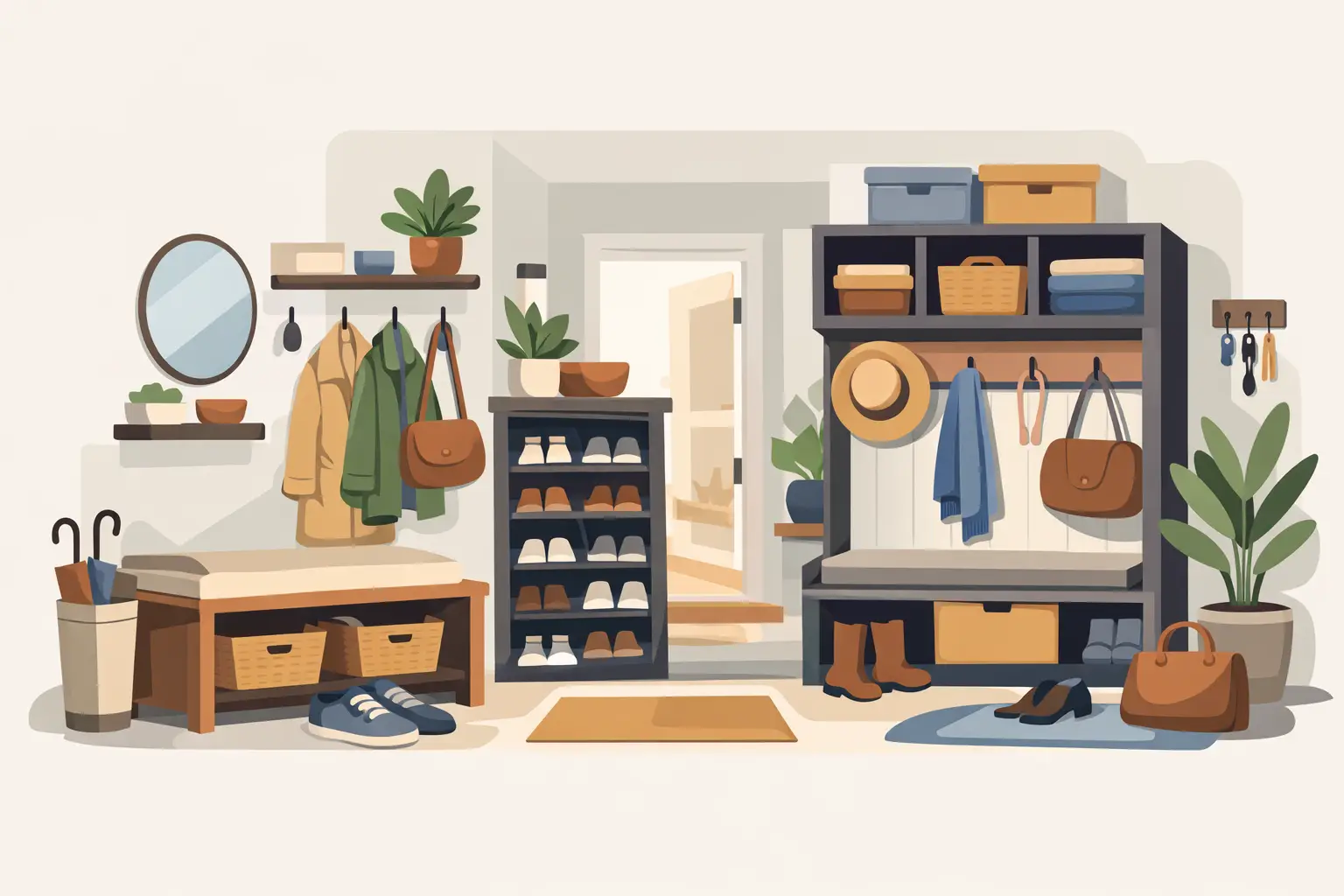
The first few feet inside your home do a lot of work. They collect shoes, bags, keys, mail, pet leashes, jackets, and the small daily essentials that somehow multiply overnight. The best entryway storage ideas make that high-traffic zone feel intentional instead of crowded, creating a polished welcome for guests and an easier routine for everyone who lives there.
A beautiful entryway is not necessarily a large one. It is one where every piece earns its place, whether you are styling a narrow apartment hall, a busy family mudroom, or a front door that opens directly into the living room. The goal is simple: keep necessities close, keep visual noise low, and choose storage that complements the character of your home.
Start With What Actually Lands at the Door
Before choosing furniture, notice what gathers in your entryway over the course of a normal week. A household with children may need durable shoe storage and a dedicated drop zone for backpacks. A pet owner may want a low basket for leashes, waste bags, towels, and outdoor gear. For a compact city apartment, a wall-mounted solution may be more useful than a substantial cabinet.
This quick assessment prevents a common mistake: buying a decorative console that looks refined but cannot hold the items you need to put away. The most successful entryways balance display space with concealed storage. A small tray for keys is useful. Six pairs of shoes spread beneath it are not.
Best Entryway Storage Ideas for Every Layout
1. Choose a storage bench that does two jobs
A bench with an enclosed compartment or lift-top seat is one of the most practical pieces for an entryway. It offers a comfortable place to sit while putting on shoes, then hides seasonal accessories, reusable shopping bags, dog gear, or extra footwear beneath the seat.
For a more elevated look, select an upholstered bench in a durable neutral fabric, faux leather, or textured weave. In a busy household, a wood bench with cubbies may be the better choice because it is easier to wipe clean and gives each family member a clear place for daily shoes. The trade-off is visual openness: cubbies make access effortless, while a closed bench keeps the room calmer.
2. Use a slim console table for narrow entrances
When floor space is limited, a shallow console table brings order without blocking the path through the room. Look for one with drawers to hold keys, sunglasses, charging cords, and mail that would otherwise land on the nearest surface.
Style the top with a catchall tray, a lamp, and one restrained decorative accent such as a vase or framed artwork. The surface should feel finished, not become another place to pile receipts and packages. If you need more capacity, choose a console with a lower shelf and add coordinated baskets underneath.
3. Turn vertical wall space into a command center
Walls are often the most underused storage opportunity in a small entry. A row of sturdy hooks can handle coats, tote bags, umbrellas, and pet accessories without requiring a deep piece of furniture. Install them at an accessible height for the people using them most often, including children if appropriate.
For a more tailored look, pair hooks with a narrow wall shelf. The shelf creates a landing spot for keys and décor, while hooks solve the daily jacket problem below. A framed mirror above or beside the arrangement adds light and gives you one last look before you head out.
4. Add closed shoe storage where clutter shows first
Shoes are usually the reason an entryway stops looking polished. A slim, closed shoe cabinet is especially effective near a front door because it contains visual clutter while taking up minimal floor depth. Look for ventilated compartments or leave shoes to air out before putting them away, particularly after wet weather or workouts.
Open racks are a good fit for a casual mudroom or a household that needs shoes within immediate reach. In a formal foyer, however, doors or woven baskets tend to look more considered. It depends on whether your priority is fastest access or a more streamlined first impression.
5. Use baskets for flexible, beautiful containment
Baskets are the quiet workhorses of entryway organization. They soften the look of hard furniture and make quick cleanup far easier. A large basket can hold blankets or sports gear; smaller ones can sort hats, gloves, scarves, and reusable bags.
Choose materials that suit the room. Seagrass and rattan feel warm and relaxed, while structured fabric bins bring a cleaner, more modern finish. Labels can help in a family entryway, but they are not necessary if the contents are obvious and the overall palette feels cohesive.
6. Make a small tray your non-negotiable drop zone
A tray may seem minor, but it can stop everyday essentials from migrating across the house. Place one on a console, wall shelf, or cabinet top for keys, earbuds, access cards, and sunglasses. This is not storage for everything. Its value comes from setting a firm limit on what belongs there.
Select a tray with enough presence to look intentional: lacquered wood, textured leather, ceramic, or metal can all elevate a practical routine. Empty it once a week so it does not become a catchall for loose change, old receipts, and mystery items.
7. Bring in a storage cabinet for high-capacity needs
If your entryway serves as a family launch pad, a compact cabinet can provide the hidden capacity a bench or console cannot. Tall cabinets make the most of vertical space and can house umbrellas, cleaning supplies, pet items, school materials, or a rotating selection of seasonal accessories.
A cabinet is best when it has a clear purpose. Filling every shelf with miscellaneous objects will only move clutter behind a door. Use simple zones: one shelf for outgoing items, one for seasonal pieces, and one for supplies you use near the entrance.
8. Create a dedicated pet station
Pet gear deserves its own home, especially when walks are part of the household rhythm. A lidded basket, low drawer, or wall-mounted hook arrangement can keep leashes, harnesses, wipes, treats, and towels together. Place it close to the door, but separate it from your key tray and mail area.
This small distinction makes busy departures less chaotic. It also protects the entryway’s refined look by keeping bright packaging and loose accessories out of sight.
9. Use a mirror that works harder
A mirror is an entryway essential, but it can also improve the sense of space around your storage. A large vertical mirror makes a narrow hall feel more open, while a mirror above a console visually anchors the furniture beneath it. Some designs include a shelf, hooks, or discreet storage, making them particularly valuable in compact homes.
Avoid choosing a mirror solely for size. Its frame should relate to the finishes already present in the room. Warm wood, black metal, brass-toned accents, and softly painted frames can each set a different mood.
10. Build a seasonal rotation into your storage plan
No entryway needs to hold every jacket, scarf, boot, and beach bag at once. Rotate items as the weather changes, keeping only current essentials by the door. This simple habit makes even modest storage feel more generous and makes your entry look thoughtfully styled rather than overfilled.
During colder months, reserve easy-access space for coats, boots, and gloves. When warmer weather arrives, switch in sunglasses, light layers, umbrellas, and outdoor accessories. A labeled bin in a closet or upper cabinet can hold what is temporarily off duty.
Choose Materials That Match Real Life
Entryway furniture must stand up to more than good lighting. Wet shoes, dropped bags, sandy paws, and rushed mornings all shape the right choice. Wood brings warmth and lasting appeal, though it benefits from protective finishes near an exterior door. Metal and performance fabrics suit high-use spaces, while woven accents add texture but may require more frequent cleaning.
Color matters, too. Light finishes can brighten a dark hallway, yet medium wood tones and deeper upholstery often hide everyday wear better. If your front entry opens into a living area, repeat one finish or accent color from the adjoining room to make the storage feel like part of the home rather than an afterthought.
Give Every Item a Way Back
The difference between an organized entryway and a temporarily tidy one is whether each item has an obvious return location. Keep the system simple enough to use when you are carrying groceries, answering a text, or coming in late from work. Shoes go in the cabinet, keys go in the tray, bags go on hooks, and seasonal extras stay contained.
Thoughtful storage turns the moment you arrive home into a calmer experience. With a few well-chosen pieces, your entry can deliver function, warmth, and the quiet sophistication that makes the rest of the home feel ready to enjoy.










Leave a comment