Home Decor Trends 2026 for Elevated Living
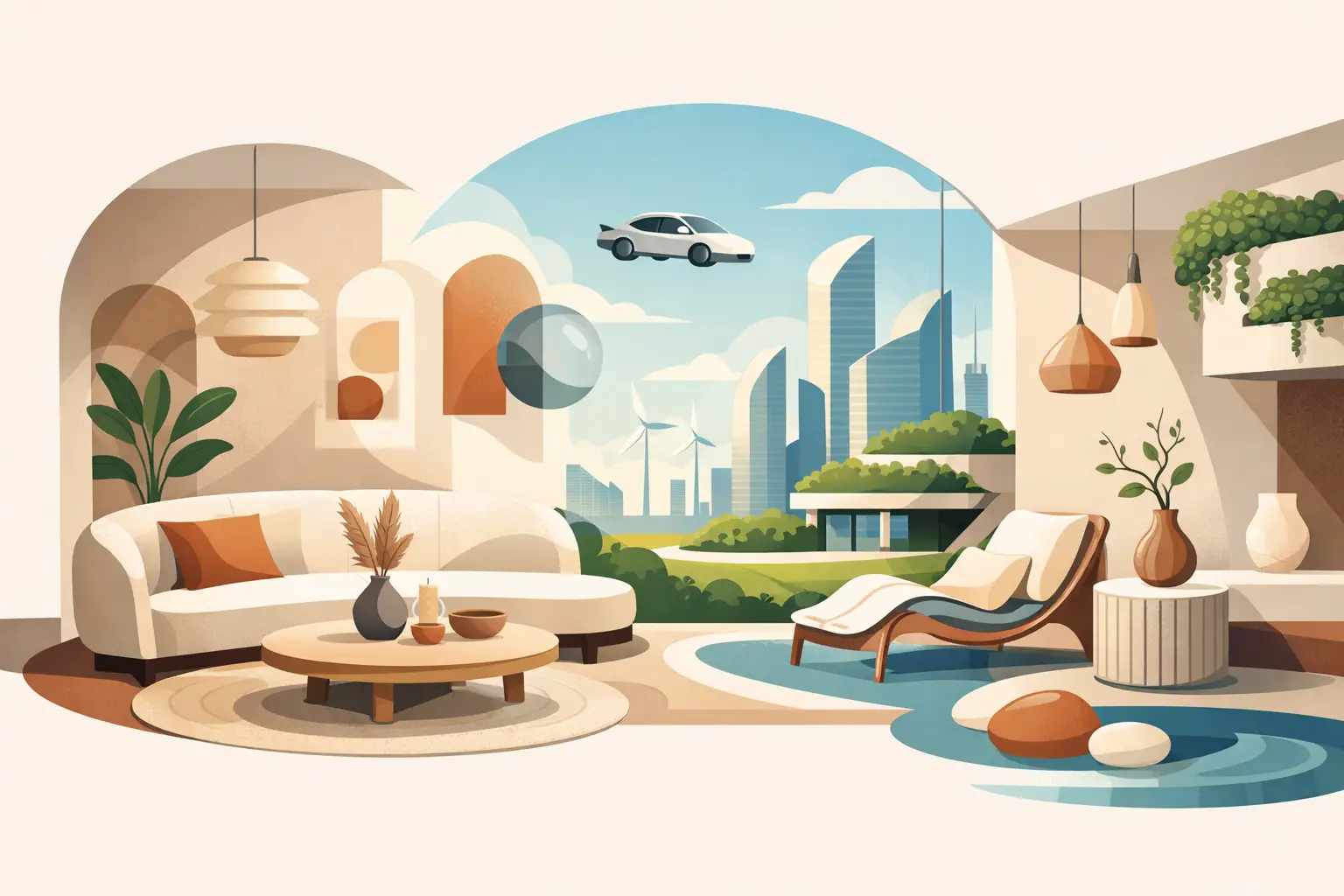
The most compelling home decor trends 2026 are not about replacing everything you own. They are about making a room feel considered: a soft glow at night, a chair with real presence, storage that removes visual noise, and details that make everyday routines feel more luxurious. The new standard is polished but personal, with comfort, character, and practical design sharing the same space.
For homeowners and apartment dwellers alike, this is welcome news. A refined home no longer has to look overly styled or untouchable. The rooms gaining attention in 2026 are warm, functional, and expressive – designed for real meals, real mornings, visiting guests, pets, and the occasional busy week when perfection is not on the schedule.
Home Decor Trends 2026 Start With Warmth
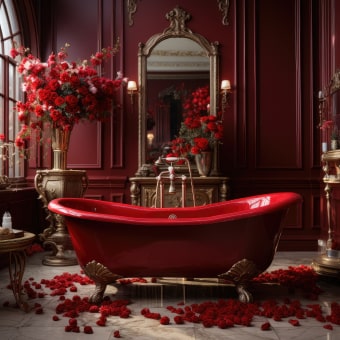
Cool gray interiors and stark all-white rooms are giving way to a richer, more inviting palette. Think toasted almond, caramel, soft clay, mushroom, olive, cocoa brown, deep burgundy, and muted butter yellow. These shades make a space feel grounded without forcing a dramatic redesign.
The key is restraint. You do not need to paint every wall a dark color to achieve warmth. A neutral sofa can feel entirely new with textured rust-toned pillows, a tan throw, and an amber glass lamp. In a dining room, warm wood finishes and ceramic serving pieces can soften a crisp modern table. Smaller accents allow you to follow a trend while keeping your larger investment pieces versatile.
Color drenching is also becoming more approachable. Rather than treating a wall color as a backdrop, homeowners are extending one hue across trim, doors, and built-ins for a tailored, enveloping effect. It works beautifully in powder rooms, bedrooms, and reading corners. In smaller spaces, choose a mid-tone or softened shade instead of the deepest available version to preserve a sense of light.
Sculptural Pieces Replace Generic Decor
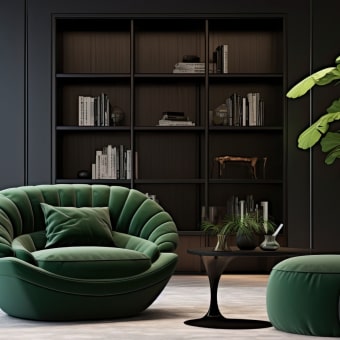
In 2026, a room needs fewer objects, but the objects it has should earn their place. Curved silhouettes, artful lamps, pedestal tables, oversized vases, ripple-edged mirrors, and distinctive side tables bring visual interest without creating clutter. This is the shift from filling a shelf to styling a point of view.
Sculptural decor works because it delivers impact even when the rest of the room is quiet. A statement mirror can brighten an entryway and create a more generous sense of scale. A rounded accent chair can soften the hard lines of a sectional and media console. A bold table lamp provides both atmosphere and a layer of shape that flat overhead lighting cannot offer.
This trend does come with a trade-off. One dramatic piece looks intentional; several competing statement pieces can make a room feel like a showroom. Choose a focal point for each area, then let surrounding accents support it. If your coffee table is architectural, keep the tray, books, and candleholders edited. If your artwork is oversized and colorful, select quieter textiles nearby.
Texture Is the New Finishing Layer
Texture is doing much of the work that pattern once did. Boucle, nubby woven fabrics, veined stone, ribbed glass, natural wood grain, brushed metal, woven baskets, and handmade-look ceramics add depth while keeping a room calm. They are especially useful for neutral interiors that need richness without a louder color scheme.
Mixing textures is more successful when there is a common thread. Pair a smooth marble-inspired tray with a matte ceramic vase and a plush textile, for example, but repeat a warm metal finish or a similar color family elsewhere in the room. The result feels collected rather than random.
Comfort Is Becoming a Design Feature
The formal living room is losing its appeal. Today’s luxury is a home that invites you to stay awhile. Deep seating, generous ottomans, soft rugs, layered bedding, adjustable lighting, and flexible surfaces are all central to the 2026 look.
That does not mean every room should become oversized and overstuffed. In a compact apartment, comfort may mean a storage ottoman that serves as a footrest, extra seat, and hidden home for blankets. In a family room, it may mean durable upholstery, rounded furniture corners, and an easy-clean rug that can handle daily life. The best choice depends on how the room is actually used.
Bedrooms are becoming more restorative, too. Hotel-inspired bedding, upholstered headboards, blackout-friendly window treatments, and bedside lighting with a warm glow help turn sleep spaces into genuine retreats. Focus on the senses: soft textiles, a clean surface for nighttime essentials, and lighting that feels calm rather than clinical.
Quiet Luxury Gets More Personal
Quiet luxury remains influential, but the 2026 version is less about copying a high-end catalog. It is about quality cues that feel personal: thoughtful proportions, materials with depth, enduring finishes, and a home that reflects the people living in it.
Instead of matching every piece, combine a refined base with a few unexpected elements. A sleek console can hold a playful sculptural bowl. A classic upholstered chair can sit beside a contemporary floor lamp. Framed travel photos, vintage-style objects, meaningful books, and handmade accents make a polished room feel lived in.
This is also where craftsmanship matters. A single substantial-looking tray, well-made mirror, or elegant fixture can elevate a room more effectively than a collection of disposable accessories. Buying fewer, more distinctive pieces gives you room to adjust your style over time without constantly starting over.
Lighting Becomes Part of the Decor
Lighting is no longer an afterthought. Decorative lamps, rechargeable table lights, statement pendants, and layered sconces are helping homes feel more tailored from morning through evening. The goal is to create pools of light rather than rely on one bright ceiling fixture.
Start with function. A desk needs focused task lighting, a reading chair needs a lamp positioned at the right height, and a hallway benefits from gentle illumination that improves safety. Then add mood with shaded lamps, dimmable options, and warm bulbs. A room with thoughtful lighting instantly appears more expensive because it reveals texture, color, and shape in a flattering way.
For renters, portable lighting is an especially smart upgrade. A pair of cordless lamps on a console, bookshelf, or dining table can bring instant atmosphere without requiring electrical work. It is a small change with a high-end payoff.
Beautiful Organization Is Here to Stay
Open shelving and visible surfaces are becoming more edited, not more crowded. The 2026 home favors storage that is attractive enough to leave out and practical enough to use every day. Decorative boxes, lidded baskets, streamlined organizers, elevated trays, and coordinated containers keep necessities within reach while reducing visual distraction.
In kitchens and bathrooms, the difference is often in what gets decanted, grouped, or concealed. A countertop can hold a beautiful soap dispenser and a small tray, while extra supplies move into drawers or cabinets. An entryway can feel instantly calmer with a designated place for keys, shoes, pet essentials, and bags.
This approach is not about hiding your life. It is about making daily rituals easier. When an object has a home, the room stays more inviting with less effort.
Nature-Inspired Materials Add Lasting Appeal
Natural materials remain a strong direction because they bring warmth that trends cannot easily date. Wood, stone, cotton, linen, rattan, ceramic, and glass offer a tactile counterpoint to screens and hard modern surfaces. Even a few organic elements can make a tech-filled room feel more balanced.
Look for materials that complement your lifestyle. Real wood may develop character over time, while wood-look finishes can be a sensible choice for busy households. Glass decor reflects light beautifully but may not suit a high-traffic coffee table. Woven accents add softness, though they need occasional dusting. Sophisticated decorating is not just about appearance; it is about choosing pieces you will be happy to maintain.
At Arvenas, the most rewarding way to shop these ideas is to build around the upgrades that make your home feel better every day. Begin with one room, choose one meaningful focal point, and add the warmth, lighting, texture, or organization it has been missing. A beautifully lived-in home is created one considered piece at a time.








Leave a comment