Humidifier Comparison for Better Home Comfort
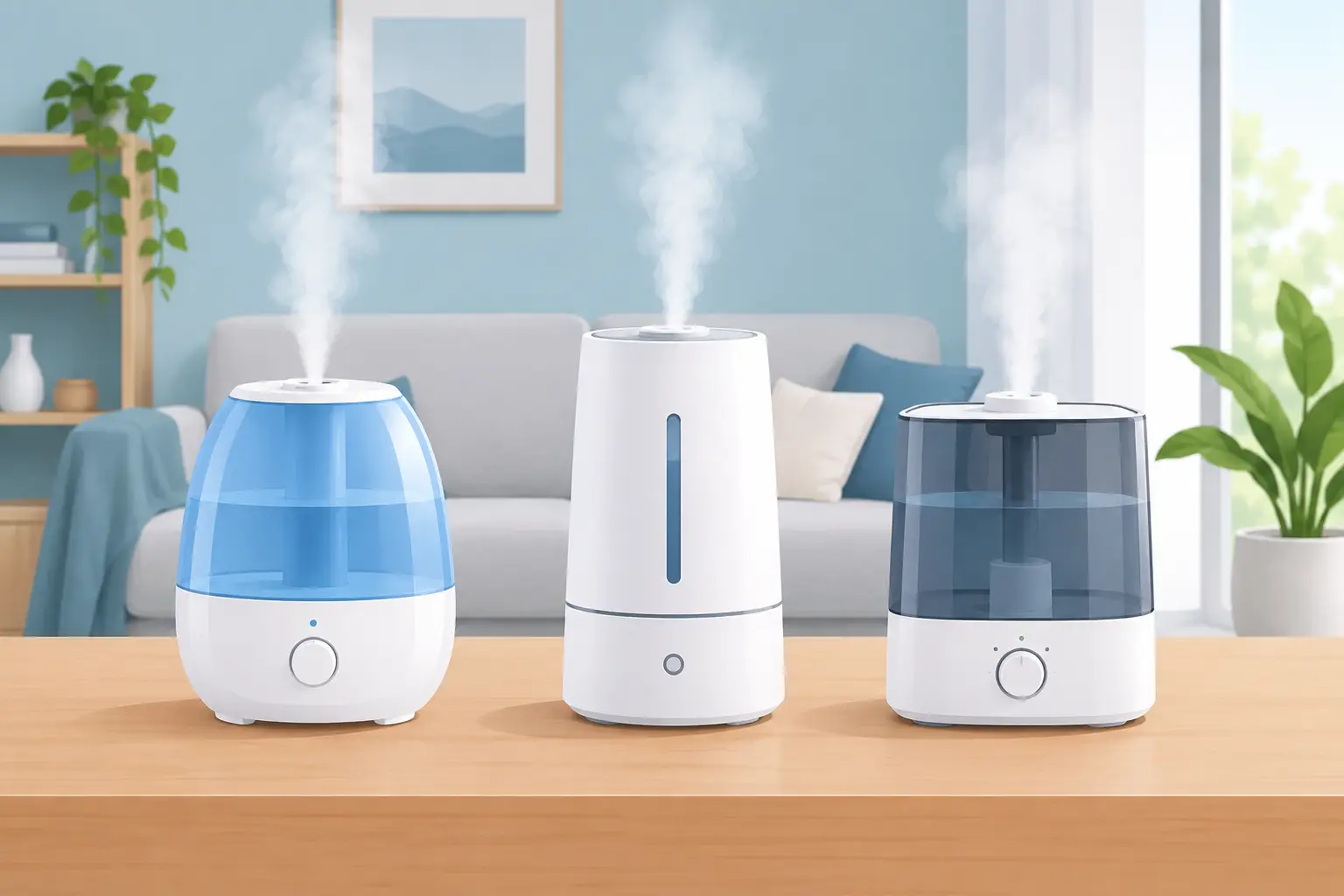
A dry bedroom can make a beautifully styled space feel far less inviting by morning. Static-prone hair, a scratchy throat, thirsty houseplants, and skin that feels tight after a full night’s sleep are small signals that the air may need attention. This humidifier comparison helps you choose a model that suits your room, routine, and preference for quiet, design-conscious comfort.
Start With the Room, Not the Trend
The most impressive feature list will not help if a humidifier is undersized for the space where you need it. A compact desktop model can bring welcome moisture to a home office or bedside table, but it will struggle in an open-concept living area. Conversely, a large-console unit can feel excessive in a small bedroom, taking up floor space and requiring more water than your routine calls for.
As a practical starting point, choose a small humidifier for personal spaces and rooms up to roughly 250 square feet. Medium models generally suit standard bedrooms, nurseries, and offices. Large-room humidifiers are better for primary bedrooms, living rooms, and larger shared spaces. Room layout matters, too. High ceilings, open doorways, and forced-air heating can make a room behave like a larger area.
A built-in humidistat is especially worthwhile if you want a more polished, low-effort experience. It monitors humidity and adjusts or stops output once your selected level is reached. For most homes, a relative humidity range of 30% to 50% feels comfortable without encouraging excess moisture on windows, walls, or furnishings.
Humidifier Comparison by Type
Each humidifier style creates a more comfortable atmosphere differently. The best choice depends less on a single “best” technology and more on the details of your household.
Cool Mist Humidifiers
Cool mist humidifiers release room-temperature moisture. They are a popular choice for bedrooms, children’s rooms, pet-friendly homes, and warm climates because there is no heated water involved. Many also use less electricity than warm mist models, which makes them appealing for daily or overnight use.
There are two common cool mist styles: ultrasonic and evaporative. Their performance and care needs are distinct, even though both produce cool moisture.
The trade-off is that cool mist can make a room feel slightly cooler during winter, particularly when placed close to the bed or sofa. That is rarely a problem in a centrally heated home, but it is worth considering for naturally chilly rooms.
Warm Mist Humidifiers
Warm mist models heat water before releasing vapor. Their gentle warmth can feel especially comforting during cold-weather evenings, and the heating process may reduce certain impurities before the moisture enters the air. Some shoppers also prefer the softer, less draft-like feel of warm mist near a bed.
Because they contain a heating element and hot water, warm mist humidifiers require more thoughtful placement. They are generally not the first choice for a child’s room, a busy pet area, or any spot where the unit could be bumped. They also tend to use more energy than cool mist alternatives.
For adults who want a cozy bedroom upgrade during the driest months, however, a warm mist unit can be an elegant fit. Look for automatic shutoff and a stable, easy-to-clean base.
Ultrasonic Humidifiers
Ultrasonic models use high-frequency vibration to create a fine mist. Their main advantage is quiet operation. Many run at a soft whisper, making them ideal for light sleepers, focused workspaces, and nurseries where a loud fan would be distracting.
They are often compact and visually refined, with slim silhouettes that work well on a dresser, shelf, or nightstand. Adjustable mist settings, soft ambient lighting, and top-fill tanks are common features that add everyday convenience.
The consideration is mineral dust. If your tap water has a high mineral content, ultrasonic humidifiers can sometimes leave a light white residue on nearby surfaces. Using distilled water or a compatible demineralization cartridge can help keep the experience clean and elevated.
Evaporative Humidifiers
Evaporative humidifiers use a fan to pull air through a wet wick or filter. As air absorbs moisture, the unit naturally slows its output as the room becomes more humid. That self-regulating quality is useful for shoppers who want steady comfort without constantly fine-tuning settings.
These models can be excellent for larger rooms and active households. They do, however, create a gentle fan sound and need regular filter changes. The ongoing cost is modest for many homes, but it should be part of the purchase decision. A beautiful home routine is easier to maintain when replacement filters are readily available and simple to install.
Features That Make Daily Use Better
A humidifier should improve your routine, not create another chore. Tank design is one of the most meaningful details. Top-fill tanks are easier to refill at the sink, while wide openings make it easier to reach inside for thorough cleaning. A transparent water window is helpful, but a low-water indicator is even better for avoiding surprise shutdowns at bedtime.
For bedrooms, prioritize a quiet or sleep mode, automatic shutoff, and an option to dim or turn off display lights. Bright control panels can undermine an otherwise restful setting. If the unit will be used in a living room, consider a larger tank capacity and output control so you can adapt moisture levels as the weather changes.
A timer adds useful flexibility for shoppers who want comfort while falling asleep but do not need the unit running all night. Essential oil trays are another optional feature, though they should only be used when the manufacturer specifically allows it. Adding oils directly to a water tank can damage the humidifier and complicate cleaning.
Smart controls can be convenient, especially for a humidifier placed across the room or used on a regular schedule. Still, they are not essential. A dependable manual model with a good humidistat, simple controls, and easy cleaning can offer more value than a complicated device with features you will never use.
Design and Placement Matter More Than You Think
A humidifier works best when it has space to circulate. Place it on a stable, water-resistant surface several feet from the bed, electronics, upholstered furniture, and wood finishes. Directing mist toward a wall, window, or headboard can create damp spots instead of balanced comfort.
For a small unit, a tray under the humidifier adds reassurance against drips during refills. Larger models should sit on the floor or a sturdy low surface according to the manufacturer’s guidance. Keep doors and windows mostly closed while the unit runs, especially if you are trying to bring a single room into a comfortable humidity range.
Style is not superficial here. A unit that complements your décor is more likely to earn a permanent place in your room rather than being stored away after a week. Clean lines, neutral finishes, and compact proportions can make a functional wellness item feel like a considered part of your home.
The Maintenance Question to Ask Before Buying
Every humidifier needs regular care. Without it, standing water can lead to unpleasant odors, mineral buildup, and reduced performance. The right model is the one whose maintenance rhythm you can realistically keep.
Empty and refill the tank with fresh water daily when possible. Wipe down the tank and base regularly, and follow the unit’s cleaning directions for deeper weekly care. If your model uses a wick or filter, replace it on schedule rather than waiting for visible discoloration or reduced output.
If you want the simplest upkeep, look for smooth tank interiors, fewer tight crevices, and parts that are easy to remove. A slightly higher-priced humidifier with a well-designed tank can be a smarter long-term purchase than a bargain model that is frustrating to clean.
Which Humidifier Fits Your Lifestyle?
For a quiet, design-forward bedroom, an ultrasonic cool mist humidifier is often the strongest match. It offers subtle operation, flexible placement, and a refined presence on a nightstand. For a larger family room or open living space, an evaporative model may deliver more consistent coverage and naturally balanced output.
For winter comfort in an adult bedroom or reading nook, warm mist can create a particularly cozy atmosphere, provided the unit is positioned safely. For a desk, travel-inspired setup, or small apartment corner, a compact cool mist model offers targeted relief without asking for much space.
The best humidifier is not necessarily the largest, quietest, or most feature-packed option. It is the one that fits your square footage, your tolerance for upkeep, and the way you want your home to feel when the heat is running and the air turns dry. Choose thoughtfully, care for it consistently, and let a small change in the air make your everyday spaces feel noticeably more inviting.











Leave a comment